

AI-Driven Pharma Revolution
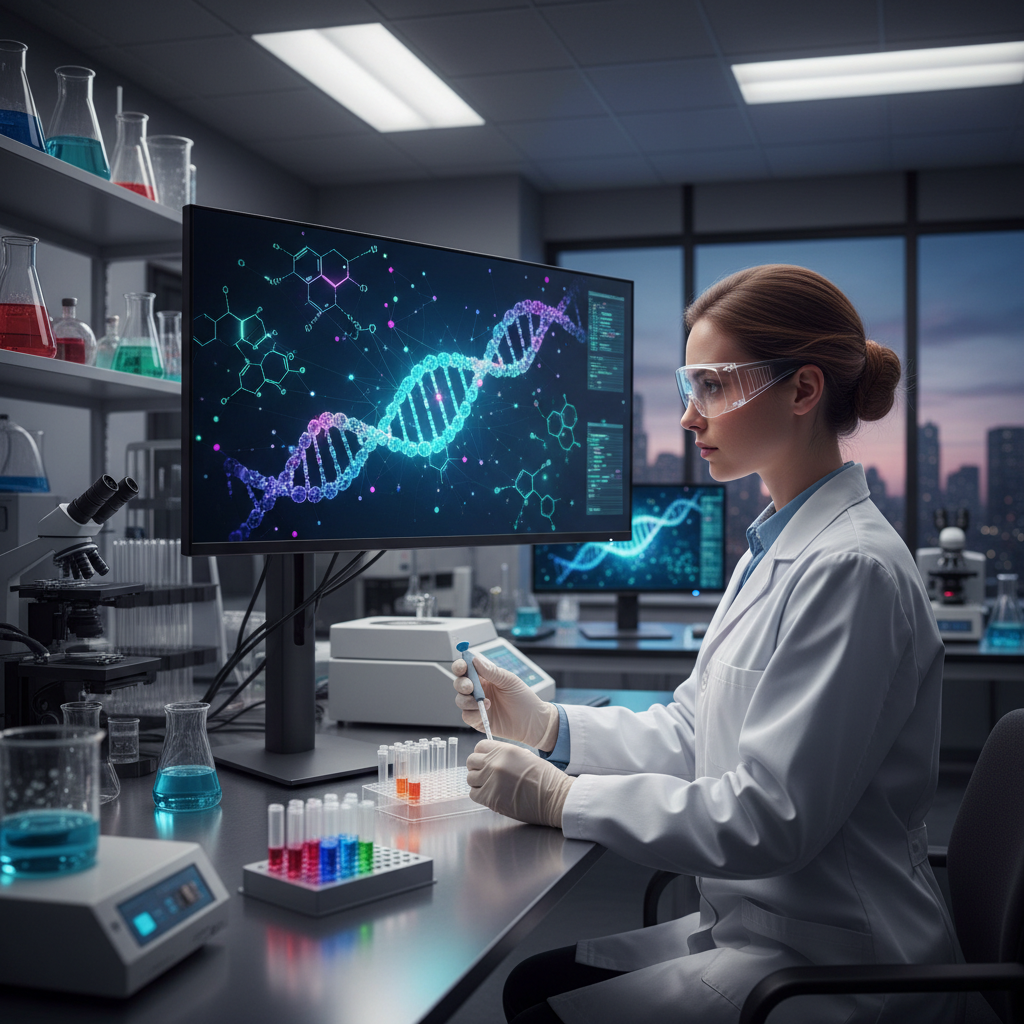
The announcement that AI-designed drugs by Isomorphic Labs, a DeepMind spinoff, are headed to human trials marks a significant milestone in the pharmaceutical industry. This development is not just a novelty, but a harbinger of a revolution that will transform the way drugs are discovered, developed, and brought to market. To understand the implications of this breakthrough, it's essential to delve into the historical context that led to this point.
Historical Context: The Rise of AI in Pharma
The use of artificial intelligence in pharmaceutical research is not new. Over the past five years, companies like IBM, Google, and Microsoft have been investing heavily in AI-powered drug discovery platforms. However, the entry of DeepMind, a pioneer in AI research, into the pharma space with the launch of Isomorphic Labs in 2020, marked a significant turning point. DeepMind's expertise in machine learning and its ability to attract top talent in the field have enabled Isomorphic Labs to make rapid progress in AI-driven drug discovery.
In 2020, DeepMind announced a partnership with the University of California, San Francisco, to develop an AI-powered platform for drug discovery. This collaboration led to the development of a novel approach to identifying potential drug targets, which has now borne fruit with the announcement of human trials for AI-designed drugs. The success of Isomorphic Labs is a testament to the power of collaboration between tech and pharma companies, a trend that is likely to continue in the future.
Competitive Implications: The Rise of New Players
The entry of AI-designed drugs into human trials has significant implications for traditional pharmaceutical companies. The likes of Pfizer, Merck, and GlaxoSmithKline will need to adapt quickly to the new reality of AI-driven drug discovery. These companies have historically relied on a labor-intensive and costly process of drug development, which can take over a decade and cost billions of dollars. AI-designed drugs, on the other hand, can be developed at a fraction of the cost and time, making them a highly attractive proposition for investors and patients alike.
Startups like Isomorphic Labs, Recursion Pharmaceuticals, and BenevolentAI are leading the charge in AI-driven drug discovery. These companies are leveraging advances in machine learning, genomics, and computer-aided design to develop novel therapeutics. The success of these startups will likely lead to a shift in the balance of power in the pharma industry, with new players emerging as major forces in the market.
Technical Deep Dive: The Science Behind AI-Designed Drugs
So, how do AI-designed drugs work? The process begins with the use of machine learning algorithms to analyze vast amounts of genomic data, identifying patterns and correlations that can inform the design of new drugs. These algorithms can process millions of data points, identifying potential drug targets and predicting their efficacy and safety. The next step involves the use of computer-aided design tools to develop novel molecular structures that can interact with the identified targets.
The resulting drug candidates are then tested in silico, using computational models to predict their behavior and efficacy. This approach enables researchers to quickly identify and optimize lead compounds, reducing the time and cost associated with traditional drug development. The use of AI in drug discovery also enables the development of personalized medicines, tailored to the specific needs of individual patients.
Contrarian Take: The Limitations of AI-Designed Drugs
While the potential of AI-designed drugs is undeniable, it's essential to acknowledge the limitations of this approach. The development of AI-designed drugs relies on high-quality data, which can be difficult to obtain, particularly in areas like rare diseases. Additionally, the use of machine learning algorithms can introduce biases and errors, which can impact the efficacy and safety of the resulting drugs.
Furthermore, the regulatory framework for AI-designed drugs is still evolving, and it's unclear how these drugs will be approved and monitored. The FDA will need to develop new guidelines and standards for the approval of AI-designed drugs, which will require significant investment and resources. Despite these challenges, the potential benefits of AI-designed drugs make them an exciting and promising area of research.
Forward-Looking Predictions
So, what's next for AI-designed drugs? Over the next five years, we can expect to see a significant increase in the number of AI-designed drugs entering human trials. This will lead to a shift in the balance of power in the pharma industry, with new players emerging as major forces in the market. Traditional pharmaceutical companies will need to adapt quickly to the new reality of AI-driven drug discovery, investing heavily in AI research and development to remain competitive.
By 2030, we can expect to see the first AI-designed drugs approved by regulatory authorities, marking a major milestone in the development of personalized medicines. The use of AI in drug discovery will also enable the development of novel therapeutics for rare and neglected diseases, which have historically been difficult to treat. As the pharma industry continues to evolve, one thing is clear: AI-designed drugs are here to stay, and they will revolutionize the way we develop and deliver medicines.