

AI Espionage Escalation
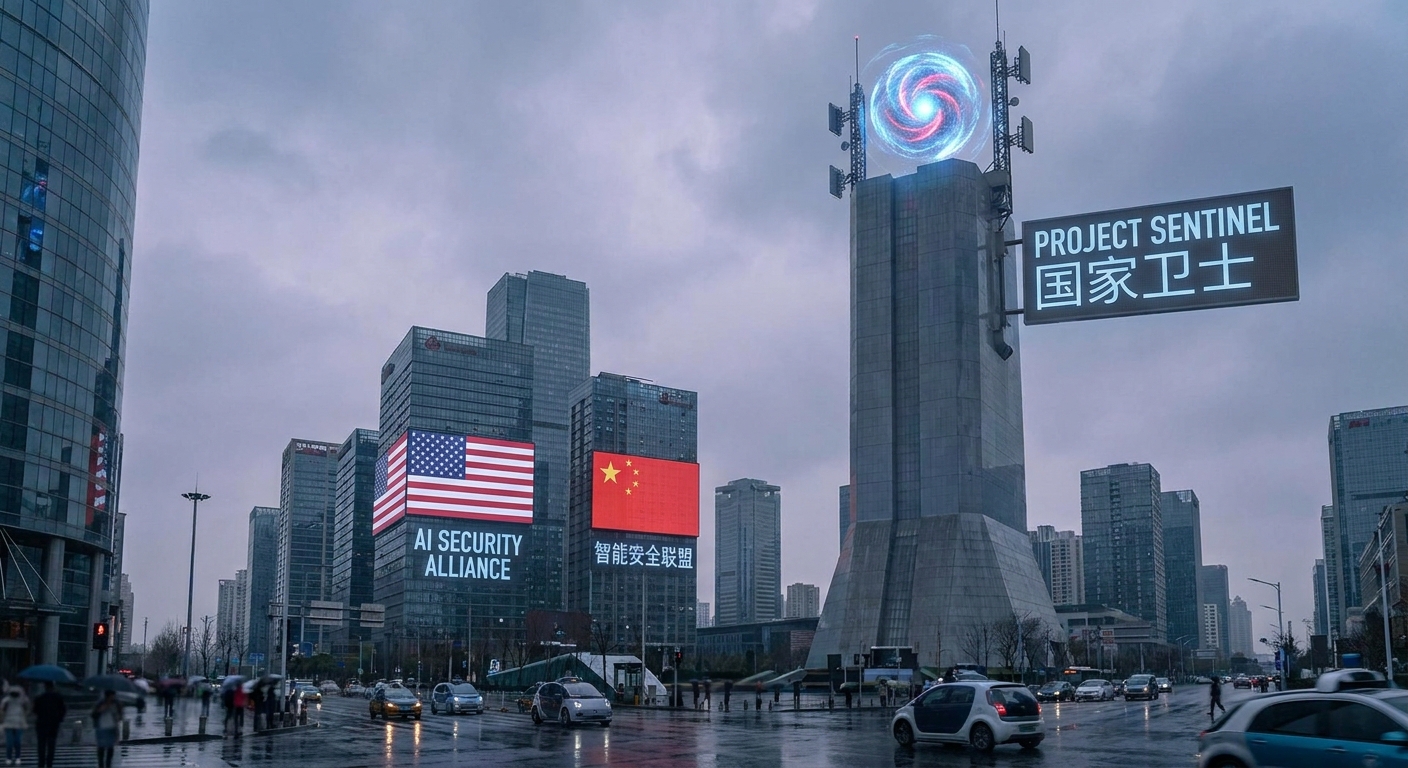
The US-China rift over AI theft allegations marks a significant escalation in the ongoing tech Cold War between the two superpowers. This development is not an isolated incident, but rather the culmination of years of simmering tensions and competing interests in the AI domain. To understand the implications of this event, it's essential to examine the historical context that led to this point.
Historical Context: The AI Arms Race
In 2017, China unveiled its New Generation Artificial Intelligence Development Plan, outlining a roadmap to become a global AI leader by 2030. This move was seen as a direct challenge to US dominance in the field. Since then, the US has responded with a series of initiatives, including the 2019 Executive Order on Maintaining American Leadership in Artificial Intelligence, which aimed to bolster US AI research and development. The current allegations of industrial-scale AI theft can be seen as a manifestation of this intensifying competition.
Competitive Implications: A New Era of Tech Protectionism
The US-China AI theft allegations will likely lead to a new era of tech protectionism, with both countries implementing stricter controls on AI-related exports and investments. This will have far-reaching consequences for the global AI industry, as companies like Google, Microsoft, and Amazon will need to navigate the increasingly complex landscape of AI regulations and intellectual property protections. Chinese companies like Baidu and Tencent will also face significant challenges in accessing Western AI technologies and collaborating with US-based researchers.
Technical Deep Dive: The AI Theft Mechanisms
The alleged industrial-scale AI theft by China likely involves the use of sophisticated cyber espionage techniques, such as advanced persistent threats (APTs) and supply chain attacks. These methods allow attackers to infiltrate US companies' networks and exfiltrate sensitive AI-related data, including source code, research papers, and intellectual property. To counter these threats, US companies will need to implement robust AI-specific security measures, such as homomorphic encryption and secure multi-party computation.
Contrarian Take: The AI Theft Allegations Are Not Just About China
While the US-China AI theft allegations dominate the headlines, it's essential to recognize that the issue of AI espionage is not unique to China. Other countries, including Russia and North Korea, have also been accused of engaging in AI-related cyber espionage. Furthermore, the open-source nature of AI research means that sensitive information can be easily accessed and exploited by malicious actors. The US and its allies must adopt a more nuanced approach to AI security, recognizing that the threats are multifaceted and require a global response.
Forward-Looking Predictions: A New Era of AI Rivalry
The US-China AI theft allegations mark the beginning of a new era of AI rivalry, characterized by intense competition, escalating tensions, and a growing risk of AI-related conflict. In the next 12-18 months, we can expect to see a significant increase in AI-related sanctions and export controls, as well as a growing number of AI-specific cyber attacks. Companies like Palantir and Microsoft will play a crucial role in developing and implementing AI security solutions to counter these threats. Ultimately, the future of AI will be shaped by the interplay between technological advancements, geopolitical rivalries, and the evolving landscape of AI regulations and security measures.
The AI theft allegations are a wake-up call for the global AI community, highlighting the need for increased collaboration, cooperation, and investment in AI security and intellectual property protections.
As the US and China engage in a new era of AI rivalry, one thing is certain: the future of AI will be shaped by the complex interplay of technological, economic, and geopolitical factors. The question is, what will be the consequences of this escalating rivalry, and how will the global AI landscape be reshaped in the years to come?