
Anthropic's Claude Design: A New Era for Non-Designers
Anthropic's launch of Claude Design marks a significant shift in the way non-designers communicate their ideas, but what does this mean for the future of des...
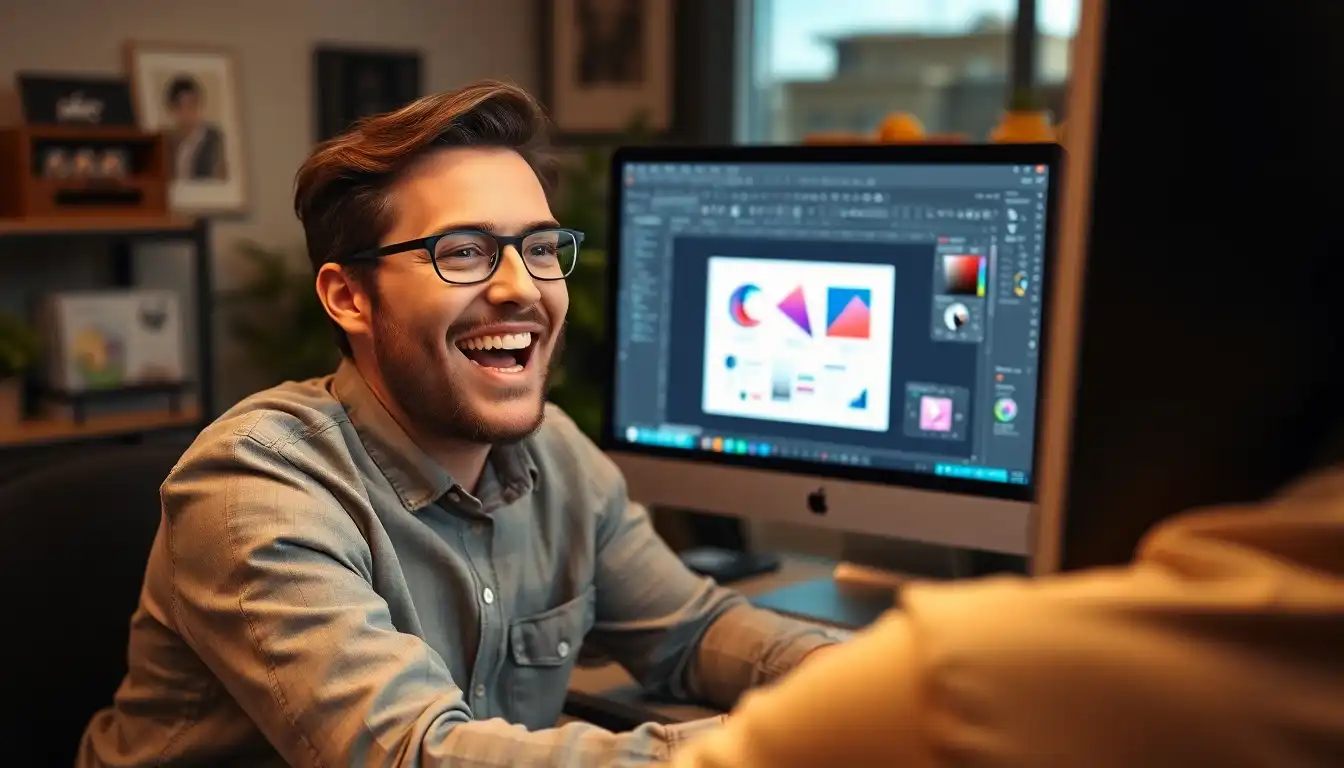
The launch of Anthropic's Claude Design is more than just a new product release - it's a harbinger of a new era in visual communication. By providing a tool that enables non-designers, such as founders and product managers, to create quick and effective visuals, Anthropic is democratizing the design process and changing the way ideas are shared and collaborated on.
Historical Context: The Evolution of Design Tools
In the past five years, we've seen a proliferation of design tools that cater to non-designers. Tools like Figma, Sketch, and Adobe XD have made it easier for designers to collaborate and create, but they still require a certain level of design expertise. The launch of Claude Design marks a significant shift in this trend, as it's specifically designed for those without a design background. This is reminiscent of the early days of website builders like Wix and Squarespace, which empowered non-technical users to create their own websites. Similarly, Claude Design is poised to empower non-designers to take control of their visual communication.
Competitive Analysis: The Rise of AI-Powered Design Tools
Anthropic's Claude Design is not the only AI-powered design tool on the market. Companies like Prisma, Deep Dream Generator, and AI Painter have been using AI to generate artistic images for years. However, Claude Design is unique in its focus on quick and easy visual communication for non-designers. This puts Anthropic in direct competition with companies like Canva, which has built a massive user base by providing easy-to-use design tools for non-designers. As the market for AI-powered design tools continues to grow, we can expect to see more competition and innovation in this space.
Second-Order Effects: The Future of Collaboration and Design
The launch of Claude Design will have significant second-order effects on the way teams collaborate and design. As non-designers become more empowered to create their own visuals, we can expect to see a shift in the way design teams work. Designers will need to adapt to a new role, one that focuses more on high-level creative direction and less on the nitty-gritty of visual creation. This will also lead to a more democratized design process, where everyone has a seat at the table and can contribute to the visual communication of an idea. Furthermore, as AI-powered design tools continue to improve, we can expect to see a rise in the use of augmented reality and virtual reality in design, as these technologies become more accessible and affordable.
Technical Deep Dive: The AI Behind Claude Design
So, how does Claude Design actually work? According to Anthropic, the tool uses a combination of natural language processing (NLP) and computer vision to generate visuals based on text prompts. This is made possible by the use of large language models, like those developed by Anthropic, which can understand and generate human-like text. The NLP algorithm is trained on a massive dataset of text and images, allowing it to learn the patterns and relationships between language and visuals. When a user inputs a text prompt, the algorithm generates a visual representation based on this training data. This is a significant technical achievement, and one that has the potential to revolutionize the way we communicate visually.
Forward-Looking Predictions: The Future of Visual Communication
So, what does the future hold for Claude Design and the world of visual communication? In the next 12-18 months, we can expect to see significant improvements in the accuracy and quality of AI-generated visuals. This will lead to a wider adoption of tools like Claude Design, and a shift in the way teams collaborate and design. We can also expect to see the rise of new technologies, like augmented reality and virtual reality, which will become more accessible and affordable as AI-powered design tools continue to improve. By 2028, we predict that AI-powered design tools will be ubiquitous, and that the lines between designers and non-designers will be blurred. The future of visual communication is exciting, and Anthropic's Claude Design is just the beginning.
In conclusion is not the right way to end this article, instead, the launch of Anthropic's Claude Design is a significant event that marks a new era in visual communication. As we look to the future, it's clear that AI-powered design tools will play a major role in shaping the way we collaborate and design. Whether you're a founder, product manager, or designer, it's time to take notice of this emerging trend and start thinking about how you can leverage these tools to revolutionize your visual communication.