

Apple's Chip Shortage Looms Large
As the news of Tim Cook's departure from Apple coincides with the company's record sales, a sense of unease settles over the tech industry. The looming chip shortage, dubbed RAMaggedon, poses a significant threat to Apple's continued success. To understand the gravity of this situation, it's essential to delve into the historical context that led to this point.
Historical Context: A Perfect Storm of Demand and Supply
In 2020, the COVID-19 pandemic triggered a global surge in demand for electronic devices, including Apple's products. This increased demand, coupled with the US-China trade tensions and the subsequent chip manufacturing capacity constraints, created a perfect storm that has been brewing for years. The industry's just-in-time manufacturing model, designed to minimize inventory and maximize efficiency, has left companies like Apple vulnerable to supply chain disruptions.
Fast forward to 2024, when major chip manufacturers like TSMC and Samsung began to experience capacity constraints, leading to a shortage of critical components. Apple, with its complex and highly customized supply chain, has been particularly affected. The company's reliance on a limited number of suppliers for its A-series chips and other components has made it challenging to diversify its supply chain and mitigate the risks associated with the shortage.
Competitive Implications: Winners and Losers
The chip shortage will have far-reaching implications for the tech industry, with some companies emerging as winners and others as losers. Companies like Qualcomm, which has a more diversified supply chain and a broader range of products, may benefit from Apple's struggles. On the other hand, companies like Intel, which has been struggling to regain its footing in the mobile chip market, may see its woes exacerbated by the shortage. Related: supply chain.
Apple's competitors, such as Samsung and Google, may also capitalize on the company's supply chain woes. Samsung, in particular, has been investing heavily in its chip manufacturing capabilities and may be able to leverage its in-house production to gain an edge over Apple. Google, with its growing portfolio of hardware products, may also benefit from Apple's struggles, as consumers increasingly consider alternative options. Related: Apple.
Second-Order Effects: A Ripple Effect Throughout the Industry
The chip shortage will have a ripple effect throughout the industry, impacting not only Apple but also its suppliers, partners, and customers. The shortage will lead to increased lead times, reduced product availability, and higher prices. This, in turn, will affect the entire ecosystem, from component manufacturers to retailers and consumers.
One potential consequence of the shortage is the acceleration of the industry's shift towards cloud-based services and software-based solutions. As companies struggle to secure hardware components, they may increasingly focus on developing software and services that can run on a variety of devices, rather than relying on proprietary hardware. This could lead to a fundamental shift in the way companies approach product development and innovation.
Technical Deep Dive: The Challenge of Chip Manufacturing
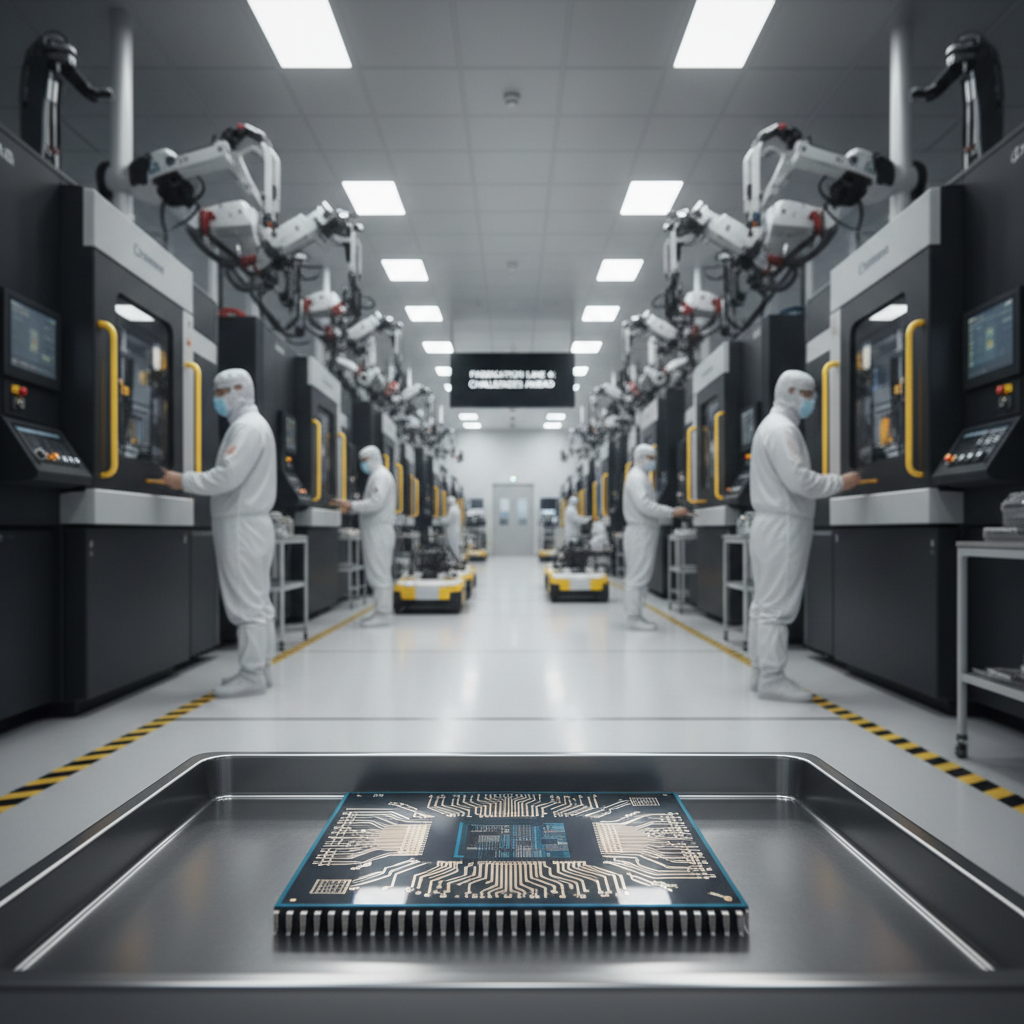
The chip shortage is, at its core, a manufacturing problem. The production of advanced chips requires highly specialized equipment, expertise, and facilities. The process of fabricating a chip involves multiple stages, from design to packaging, each with its own set of challenges and constraints.
One of the primary challenges in chip manufacturing is the yield, or the percentage of functional chips produced from a given batch of wafers. As chips become increasingly complex, the yield decreases, making it more difficult to produce sufficient quantities of functional chips. Furthermore, the industry's reliance on a limited number of suppliers for critical components, such as lithography machines and chemical precursors, exacerbates the shortage.
Forward-Looking Predictions: A New Era for the Tech Industry
As the chip shortage continues to affect the tech industry, we can expect significant changes in the way companies approach product development, supply chain management, and innovation. Apple, in particular, will need to adapt quickly to mitigate the risks associated with the shortage. Related: supply chain.
One potential solution is for Apple to diversify its supply chain, investing in new manufacturing technologies and partnering with a broader range of suppliers. The company may also need to reconsider its just-in-time manufacturing model, building more inventory and developing more flexible supply chains to respond to changes in demand.
In the short term, we predict that Apple's sales will be impacted by the shortage, with potential revenue losses of up to 10% in the next quarter. However, as the company adapts to the new reality, we expect it to emerge stronger and more resilient, with a renewed focus on innovation and supply chain management. The chip shortage may be a crisis for Apple, but it also presents an opportunity for the company to reinvent itself and emerge as a leader in a new era for the tech industry.