

Apple's Post-Cook Era: A New Paradigm
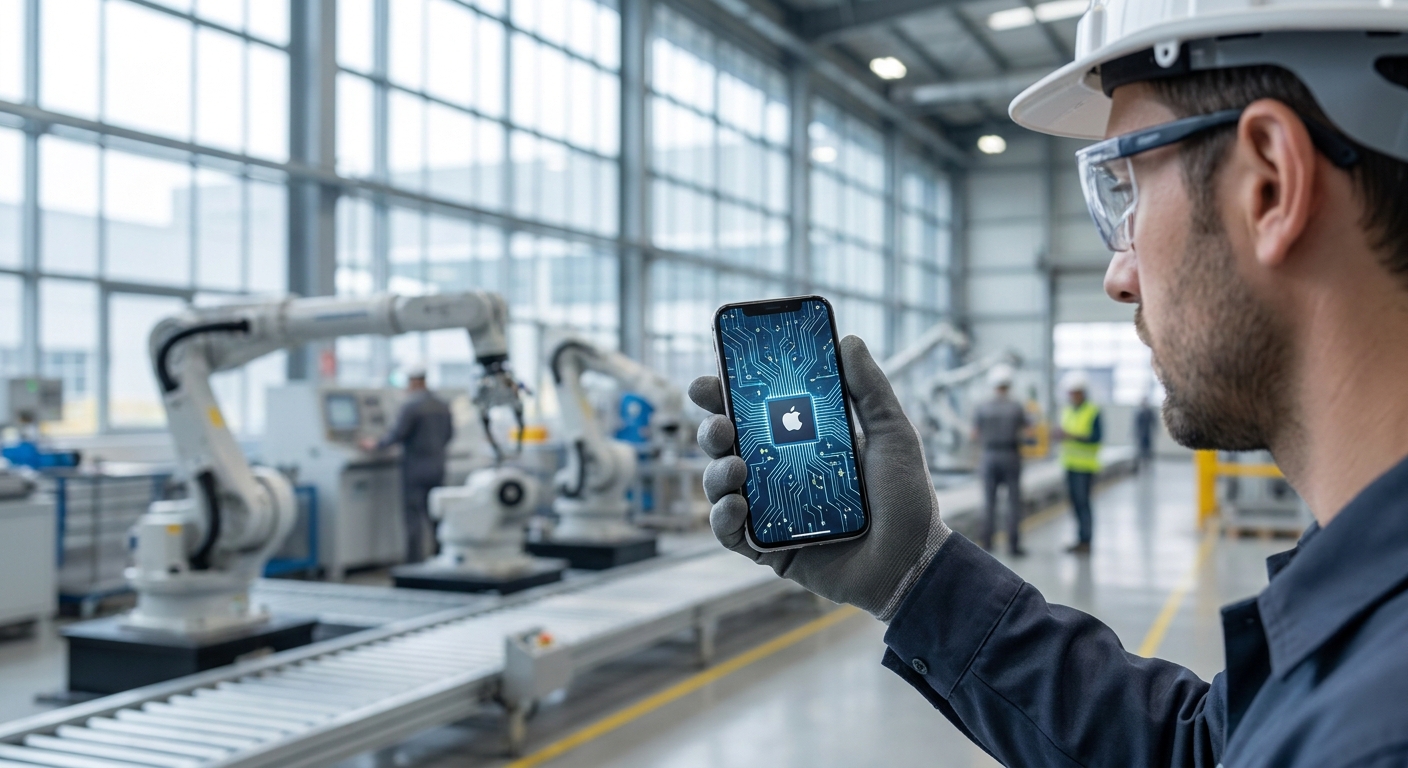
As the news of Tim Cook's departure from Apple spreads, the tech industry is abuzz with speculation about the implications of this leadership transition. While the appointment of John Ternus as the new CEO marks a significant change, it is essential to consider the historical context that led to this moment. Over the past five years, Apple has been navigating a complex landscape of shifting consumer preferences, intensifying competition, and evolving technological trends. The company's response to these challenges has been a mix of innovation and iteration, with Cook's leadership playing a crucial role in shaping Apple's strategy.
Historical Context: The Cook Era
When Tim Cook took over as CEO in 2011, Apple was still reeling from the loss of Steve Jobs. Cook's initial focus was on maintaining the company's momentum, and he achieved this by leveraging the existing product pipeline and supply chain. However, as the years passed, Cook began to put his stamp on the company, investing heavily in emerging technologies like artificial intelligence, augmented reality, and services. The acquisition of Beats Electronics in 2014 and the launch of Apple Music in 2015 were notable examples of Cook's efforts to diversify Apple's revenue streams. Despite these efforts, the company's hardware-centric business model remained the primary driver of growth, with the iPhone accounting for the majority of Apple's revenue.
Competitive Analysis: The Ternus Era
The appointment of John Ternus as CEO marks a significant shift in Apple's leadership, with Ternus bringing a strong hardware background to the role. As the current head of hardware, Ternus has been instrumental in driving the development of Apple's flagship products, including the iPhone and Mac. Under Ternus' leadership, Apple is likely to double down on its hardware expertise, potentially leading to a more intense focus on innovation and competition with rival manufacturers like Samsung and Huawei. This could lead to a series of high-stakes battles in the smartphone market, with Apple seeking to maintain its premium position and market share. Meanwhile, companies like Google and Amazon, which have been making significant inroads in the AI-powered device market, may find themselves facing a more formidable competitor in Apple.
Second-Order Effects: The Future of Apple's Ecosystem
The transition to Ternus' leadership will likely have far-reaching consequences for Apple's ecosystem, with potential implications for the company's services, software, and hardware businesses. One possible outcome is a renewed focus on integrating Apple's services, such as Apple Music and Apple TV+, more tightly with the company's hardware products. This could lead to a more seamless user experience, with Apple's devices serving as a hub for a wide range of services and features. Additionally, Ternus' hardware background may lead to a greater emphasis on innovation in areas like augmented reality and the Internet of Things (IoT), potentially opening up new revenue streams and growth opportunities for the company.
Technical Deep Dive: The Role of AI in Apple's Future
As Apple navigates the post-Cook era, the company's approach to artificial intelligence (AI) will be a critical factor in determining its success. Under Ternus' leadership, Apple is likely to accelerate its investment in AI research and development, potentially leading to significant advances in areas like natural language processing, computer vision, and machine learning. The integration of AI into Apple's products and services will be a key differentiator, enabling the company to offer more personalized and intuitive user experiences. For example, Apple's virtual assistant, Siri, may become more sophisticated, using AI-powered algorithms to better understand user requests and provide more accurate responses. Similarly, Apple's Core ML framework, which enables developers to integrate machine learning models into their apps, may become a key focus area for the company, as it seeks to empower developers to create more AI-powered experiences.
Contrarian Take: The Risks of a Hardware-Centric Strategy
While the appointment of John Ternus as CEO may seem like a natural fit for Apple, given his hardware background, it is essential to consider the potential risks of a hardware-centric strategy. In a market where software and services are increasingly driving growth and innovation, Apple's focus on hardware may leave the company vulnerable to disruption. The rise of cloud-based services, like Google's Stadia gaming platform, and the growing popularity of software-based solutions, like Amazon's Alexa, may challenge Apple's traditional business model and force the company to adapt. Furthermore, the increasing importance of AI and machine learning may require Apple to invest more heavily in software and services, potentially diluting its focus on hardware.
As the tech industry looks to the future, one thing is clear: Apple's post-Cook era will be marked by significant change and opportunity. Under John Ternus' leadership, the company is likely to navigate a complex landscape of technological trends, competitive pressures, and shifting consumer preferences. While there are risks associated with a hardware-centric strategy, Apple's strong brand, loyal customer base, and significant resources position the company for success in the years to come. As the company embarks on this new chapter, it will be essential to watch how Ternus and his team balance the need for innovation and iteration, while maintaining the company's premium position in the market.
In the next 12-18 months, we can expect to see significant developments in Apple's hardware and services businesses, as the company seeks to maintain its momentum and drive growth. The launch of new iPhone models, the expansion of Apple's services ecosystem, and the integration of AI into the company's products and services will be key areas to watch. Additionally, the company's relationships with suppliers, partners, and competitors will be critical in determining its success, as Apple navigates the complex web of alliances and rivalries that define the tech industry. As the post-Cook era unfolds, one thing is certain: Apple's future will be shaped by a combination of technological innovation, strategic risk-taking, and a deep understanding of the company's strengths and weaknesses.