
Langflow Security Crisis: A Wake-Up Call for AI Frameworks
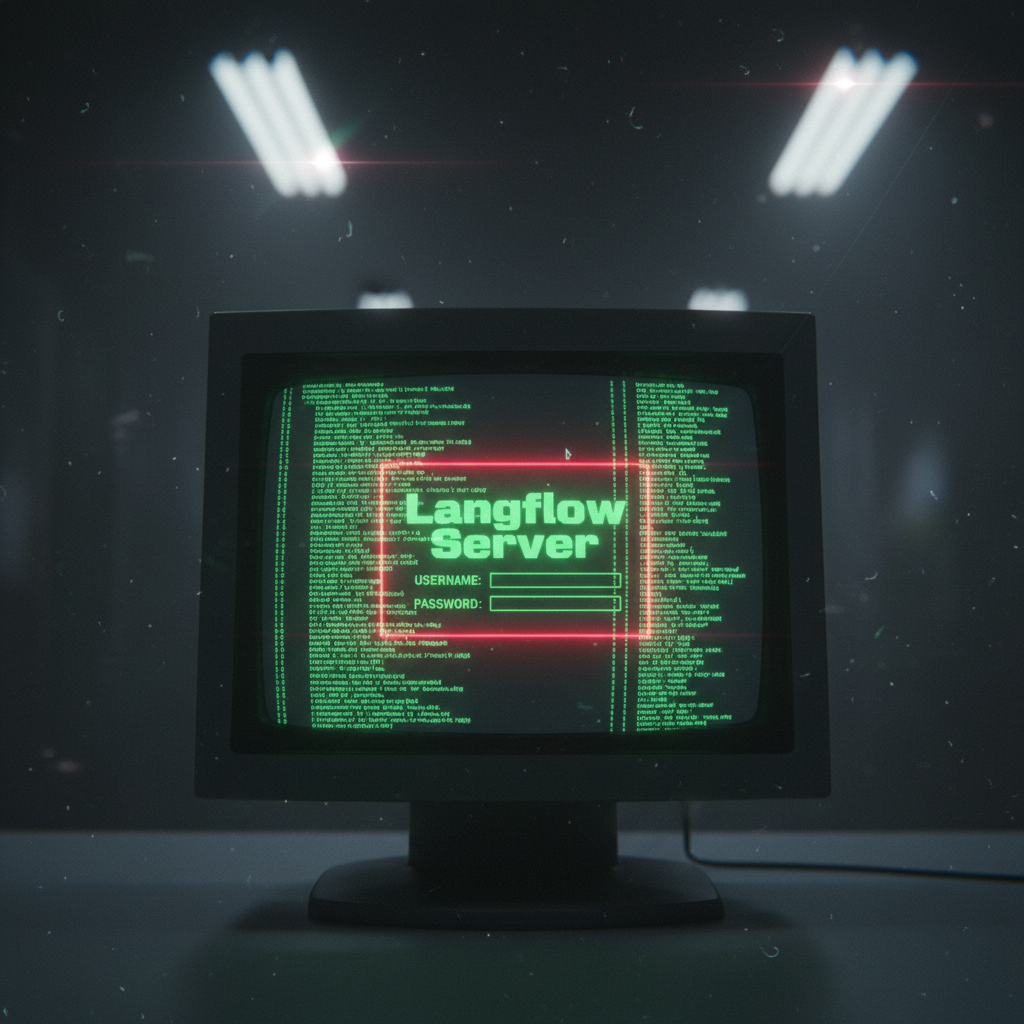
Illustration, not documentary evidence of the event.
The revelation that 7,000 Langflow servers are under attack, with LangGraph and LangChain suffering from similar vulnerabilities, is a stark reminder of the security risks inherent in AI frameworks. At the heart of the issue is a fundamental flaw in the design of these frameworks, which can turn ordinary bugs into avenues for full remote code execution. This is not a hypothetical scenario; in recent months, three of the most widely deployed AI agent frameworks have been found to have the same holes, compromising sensitive data and credentials. LangChain offers additional context on this topic.
Technical Deep Dive
LangGraph's SQLite checkpointer vulnerability, exploited by Check Point Research, is a prime example of how a known bug class can be chained to achieve full remote code execution. The SQL injection vulnerability in the checkpointer allows an attacker to inject malicious SQL code, which can then be executed by the SQLite database, ultimately leading to remote code execution. This is particularly concerning given the widespread use of SQLite in AI frameworks. The technical specifics of this vulnerability highlight the importance of secure coding practices, input validation, and robust error handling in preventing such exploits.
Industry Impact
The Langflow security crisis has significant implications for the AI industry, with potential consequences for data security, customer trust, and regulatory compliance. The fact that three major AI frameworks have similar vulnerabilities suggests a deeper issue with the design and development of these frameworks. As AI becomes increasingly pervasive in various industries, the potential attack surface expands, making it imperative for developers, operators, and users to prioritize security. The industry must recognize that AI security is not just about protecting against hypothetical threats but also about addressing real, existing vulnerabilities that can be exploited by attackers. LangChain offers additional context on this topic.
Second-Order Effects and Market Structure Analysis
The Langflow vulnerability will likely have second-order effects on the AI market, influencing the competitive landscape and market dynamics. As the news of these vulnerabilities spreads, companies may reassess their AI framework choices, potentially leading to a shift in market share. Furthermore, the incident may accelerate the adoption of more secure AI frameworks or prompt the development of new, security-focused frameworks. Regulatory bodies may also take notice, leading to increased scrutiny and potential new standards for AI security. The vulnerability of Langflow, LangGraph, and LangChain serves as a reminder that security must be a primary consideration in AI development, rather than an afterthought. LangChain offers additional context on this topic.
Frequently Asked Questions
How does this compare to other AI framework vulnerabilities?
The vulnerabilities found in Langflow, LangGraph, and LangChain are particularly concerning due to their potential for remote code execution and the widespread use of these frameworks. While other AI frameworks may also have vulnerabilities, the combination of a known bug class with a critical exploit like SQL injection makes these vulnerabilities especially dangerous. Developers and users must remain vigilant, continuously monitoring their frameworks for similar vulnerabilities and prioritizing security updates. LangChain offers additional context on this topic.
What does this mean for developers using LangGraph or LangChain?
Developers using LangGraph or LangChain must immediately assess their exposure to these vulnerabilities and apply any available patches or security updates. It is also crucial to review the security of their overall AI architecture, ensuring that sensitive data and credentials are protected. Given the potential for similar vulnerabilities in other frameworks, a comprehensive security audit of all AI components is advisable. LangChain offers additional context on this topic.
Can these vulnerabilities be used for data theft or other malicious activities?
Yes, the vulnerabilities in Langflow, LangGraph, and LangChain can be exploited for data theft, among other malicious activities. The ability to achieve full remote code execution on a server means an attacker could access sensitive data, including OpenAI keys, database credentials, and CRM tokens. This could lead to significant data breaches, with far-reaching consequences for affected companies and their customers.
How can the AI industry improve its security posture?
The AI industry must prioritize security in the development and deployment of AI frameworks. This includes implementing secure coding practices, conducting regular security audits, and ensuring robust input validation and error handling. Furthermore, there needs to be a shift towards more transparent and collaborative security practices, including the sharing of vulnerability information and coordinated disclosure processes. Only through a concerted effort can the industry mitigate the risks associated with AI vulnerabilities and protect the trust of its users.
In conclusion, the Langflow security crisis serves as a critical wake-up call for the AI industry, highlighting the urgent need for improved security measures. As AI continues to integrate into various aspects of our digital lives, the potential consequences of vulnerabilities like those found in Langflow, LangGraph, and LangChain will only escalate. It is imperative that the industry takes immediate, collective action to address these vulnerabilities and prioritize security in AI development. The future of secure and trustworthy AI depends on it.