

Microsoft's Update U-Turn: A Desperate Bid to Regain User Trust
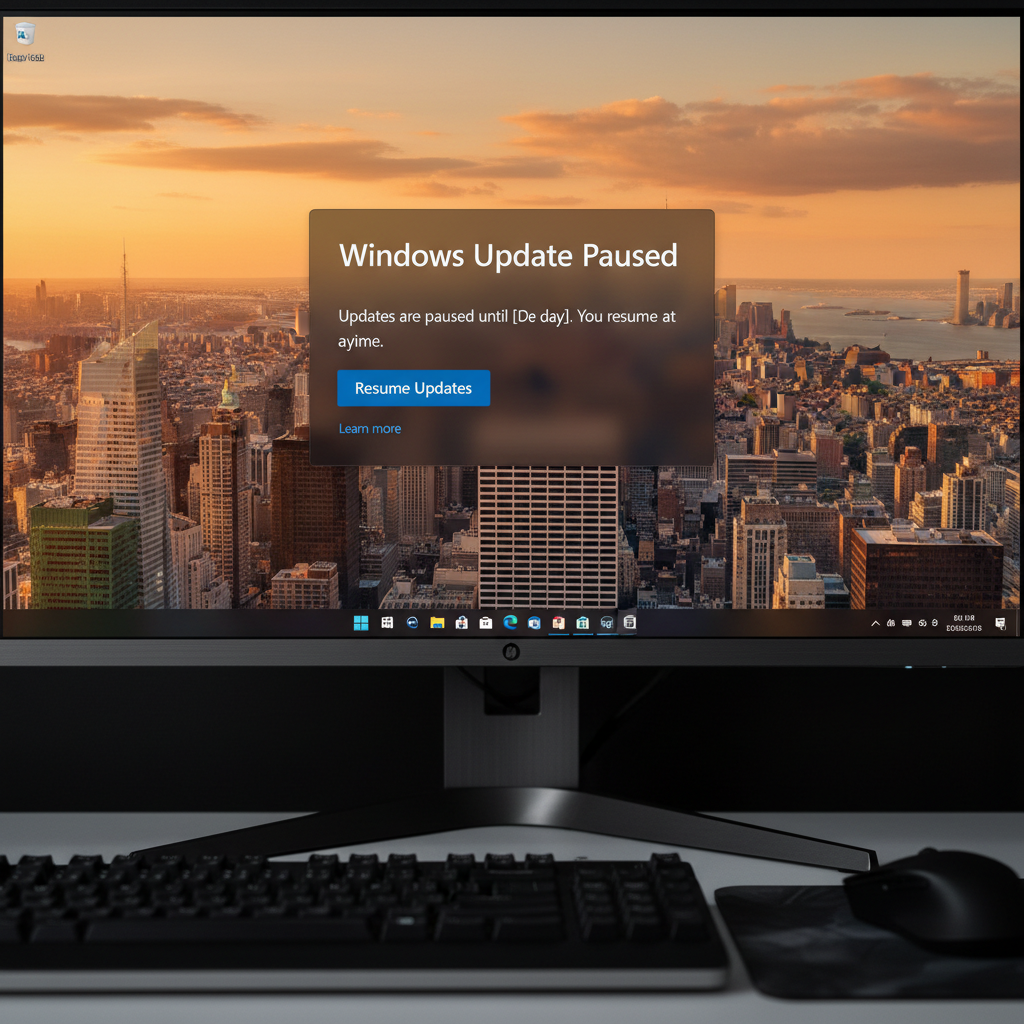
Microsoft's announcement that Windows updates can now be paused indefinitely is a stark reversal of its previous stance. This dramatic about-face is not just a minor tweak, but a fundamental shift in the company's approach to user control and update management. To understand the significance of this move, it's essential to examine the historical context that led to this point.
Historical Context: The Road to Redemption
In 2015, Microsoft introduced Windows 10, which was touted as a service, with continuous updates and improvements. However, this approach was met with resistance from users who felt that the forced updates were intrusive and disruptive. The company's decision to push out updates without user consent led to a backlash, with many users feeling that their autonomy was being eroded. Fast forward to 2020, when Microsoft released Windows 11, which was designed to be a more streamlined and secure operating system. However, the update process remained a point of contention, with users continuing to express frustration at the lack of control over when and how updates were applied.
Competitive Implications: A Blow to Google and Apple
Microsoft's decision to give users more control over updates is a significant blow to its competitors, particularly Google and Apple. Both companies have been criticized for their own update policies, with Google's Android updates often being slow to roll out and Apple's iOS updates being mandatory. By allowing users to pause updates indefinitely, Microsoft is differentiating itself from its competitors and appealing to users who value flexibility and autonomy. This move is likely to resonate with enterprise users, who often require more control over their systems and updates. As a result, Microsoft may gain an edge in the enterprise market, where Google and Apple have been making inroads. Related: Microsoft.
Technical Deep Dive: The Update Mechanism
So, how does the update mechanism work, and what changes has Microsoft made to allow for indefinite pauses? The Windows Update service uses a combination of push and pull models to deliver updates to users. The push model involves Microsoft pushing updates to users' devices, while the pull model allows users to request updates manually. The update process involves several stages, including download, installation, and verification. Microsoft has modified the update service to allow users to pause updates for 35-day periods, which can be reset as many times as the user wants. This change gives users more control over when updates are applied, reducing the likelihood of disruptions and allowing for more flexibility in managing their systems. Related: Microsoft.
Contrarian Take: The Dark Side of User Control
While giving users more control over updates may seem like a positive development, it's not without its risks. By allowing users to pause updates indefinitely, Microsoft may be creating a security vulnerability. Updates often include critical security patches, which are designed to protect users from known vulnerabilities. If users choose to pause updates, they may be leaving themselves exposed to security risks. This could have significant consequences, particularly in the enterprise sector, where security is a top priority. Microsoft will need to balance user control with security concerns, ensuring that users are aware of the risks associated with pausing updates. Related: Microsoft.
Builder Perspective: What This Means for Developers
So, what does this change mean for developers who build applications on top of Windows? The increased flexibility in update management may require developers to adapt their own update strategies. For example, developers may need to ensure that their applications are compatible with multiple versions of Windows, as users may choose to pause updates and remain on older versions. This could add complexity to the development process, but it also presents an opportunity for developers to create more resilient and flexible applications.
Forward-Looking Predictions: The Future of Windows Update
So, what's next for Windows Update? Microsoft's decision to give users more control over updates is likely to be just the beginning. We can expect to see further changes to the update mechanism, including more granular control over which updates are applied and when. Microsoft may also introduce more advanced analytics and reporting tools, allowing users to better understand the updates they are applying and the potential risks associated with pausing them. As the company continues to evolve its update strategy, we can expect to see a more user-centric approach, with a focus on flexibility, autonomy, and security. One thing is certain: the days of forced updates are behind us, and a new era of user control has begun. Microsoft's competitors would do well to take note, as the company's willingness to adapt and evolve its update strategy may ultimately give it a competitive edge in the market.