

Tesla's EV Pivot: A Bet on Software-Defined Cars
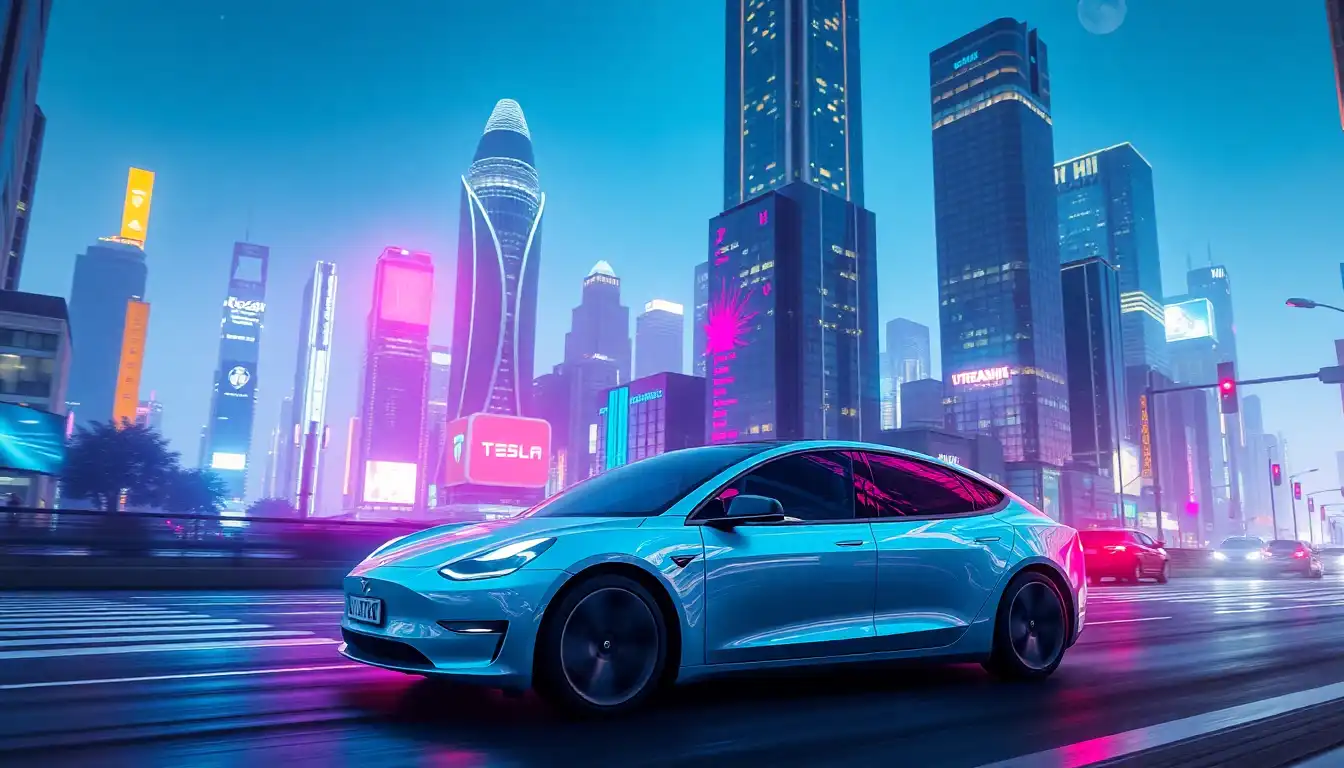
Tesla's recent pivot away from the Model 2 and towards a new small EV has sparked confusion among investors and enthusiasts alike. Is Elon Musk's company abandoning its AI ambitions and returning to its roots as a car manufacturer? Not quite. Instead, Tesla is making a calculated bet on the future of software-defined cars, and it's a move that will have far-reaching implications for the entire industry.
The Road to Software-Defined Cars
In 2020, Tesla acquired DeepScale, a computer vision startup, marking a significant shift towards AI-powered autonomous driving. This move was followed by the launch of Full Self-Driving (FSD) beta in 2021, which has since become a key differentiator for the company. However, the pivot towards humanoid robots and AI, announced in 2022, raised questions about Tesla's commitment to electric vehicles. The new small EV signals a renewed focus on cars, but with a twist – these vehicles will be designed from the ground up as software-defined machines.
Competitive Implications: Who Wins, Who Loses?
Tesla's move will put pressure on traditional automakers like Volkswagen, General Motors, and Ford, which are still struggling to transition to electric powertrains. The new small EV will likely be priced competitively, making it a more attractive option for budget-conscious buyers. However, this shift will also create opportunities for companies like NVIDIA, which is already a key player in the autonomous driving space. NVIDIA's Drive platform, which provides the underlying software and hardware for autonomous vehicles, will become an essential component of Tesla's software-defined cars.
The Technical Deep Dive: What Makes Software-Defined Cars Tick?
Software-defined cars rely on advanced computer vision, machine learning, and sensor fusion to enable autonomous driving capabilities. Tesla's new small EV will likely feature a custom-designed system-on-chip (SoC) that integrates these technologies, allowing for real-time processing and decision-making. This SoC will be the brain of the vehicle, enabling features like advanced driver-assistance systems (ADAS), autonomous driving, and even vehicle-to-everything (V2X) communication.
Second-Order Effects: What This Means for the Industry
Tesla's pivot will trigger a ripple effect throughout the industry. As software-defined cars become the norm, we can expect to see a shift in power dynamics, with companies like NVIDIA and Qualcomm gaining more influence. The rise of software-defined cars will also lead to new business models, such as subscription-based services for autonomous driving features and vehicle software updates. This, in turn, will create new revenue streams for automakers and technology companies alike.
A Contrarian Take: What Everyone's Getting Wrong
The obvious narrative is that Tesla is abandoning its AI ambitions and returning to its roots as a car manufacturer. However, this overlooks the fact that AI and autonomous driving are critical components of the company's software-defined car strategy. Tesla is not pivoting away from AI; it's doubling down on its potential to transform the automotive industry.
Looking Ahead: Predictions and Implications
By 2028, we can expect to see a proliferation of software-defined cars on the market, with Tesla leading the charge. This will lead to a significant shift in market share, with traditional automakers struggling to keep up. NVIDIA will emerge as a key player in the autonomous driving space, and companies like Qualcomm will benefit from the increased demand for custom SoCs. The rise of software-defined cars will also trigger a wave of consolidation in the industry, as companies look to acquire AI and autonomous driving startups to stay competitive.