

Tesla's Profitability Masking Deeper Issues
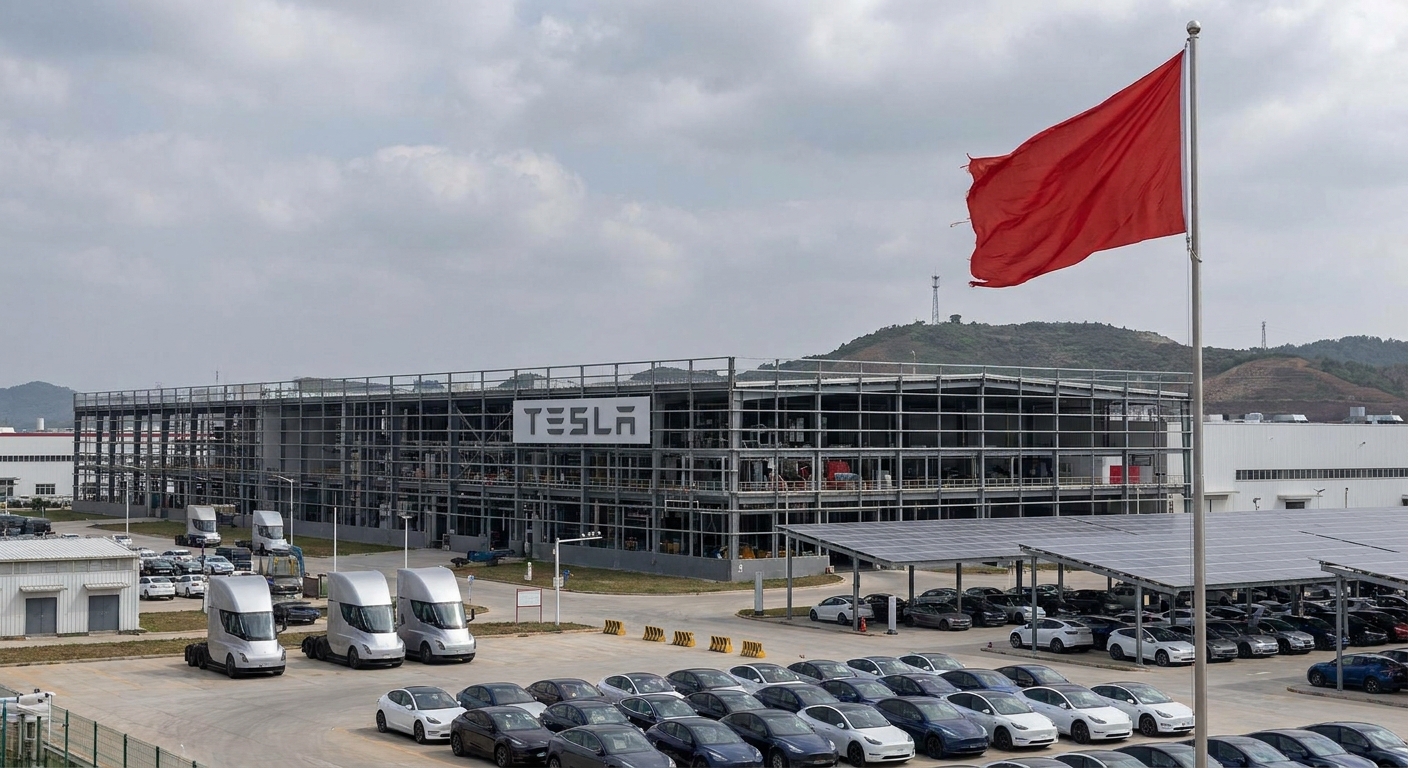
Tesla's Q1 2026 earnings report may have shown a profit, but the devil is in the details. Car sales are up, but the decline in battery and emissions credits sales is a canary in the coal mine, signaling potential issues with the company's long-term strategy. To understand the implications of this report, we need to look at the historical context of Tesla's business model and how it has evolved over the past few years.
Historical Context: The Rise and Fall of Emissions Credits
In 2020, Tesla's emissions credits business was booming, with the company selling $1.4 billion worth of credits to other automakers. This revenue stream was a significant contributor to Tesla's profitability, but it was also a double-edged sword. The credits were essentially a subsidy for other companies to buy their way out of meeting emissions regulations, rather than investing in their own electric vehicle technology. As the EV market has grown and more companies have developed their own electric offerings, the demand for Tesla's credits has begun to dry up. In Q1 2026, emissions credits sales were down significantly, and this decline is likely to continue.
Competitive Analysis: The Rise of New EV Players
The decline of Tesla's emissions credits business is not the only challenge the company faces. New players are entering the EV market, and they are not just traditional automakers. Companies like Rivian and Lucid Motors are producing high-end electric vehicles that are competing directly with Tesla's luxury offerings. Meanwhile, companies like Volkswagen and Hyundai are investing heavily in their own EV technology, which will likely lead to increased competition in the mass market. Tesla's car sales may be up, but the company's market share is likely to decline as the market becomes more crowded.
Second-Order Effects: The Impact on Tesla's Business Model
The decline of Tesla's emissions credits business and the rise of new EV players will have significant second-order effects on the company's business model. Tesla has historically relied on the high-margin sales of its luxury vehicles to subsidize the development of its more affordable models. However, as the company faces increased competition, it will likely have to reduce its prices to remain competitive. This will put pressure on the company's margins and make it more difficult to invest in new technologies and business lines. Additionally, the decline of emissions credits sales will reduce the company's revenue streams, making it more difficult to fund its operations.
Technical Deep Dive: The Challenge of Battery Technology
One of the key challenges facing Tesla is the development of new battery technologies. The company has been investing heavily in its battery research and development, but the pace of innovation is slow. The current battery technology used in Tesla's vehicles is still relatively expensive and has limited range. To remain competitive, Tesla will need to develop new battery technologies that are cheaper, more efficient, and have longer ranges. However, this will require significant investment and innovation, and there are no guarantees of success.
Forward-Looking Predictions: A Changing EV Landscape
So what does the future hold for Tesla and the EV market? In the short term, Tesla's profitability will likely continue to decline as the company faces increased competition and declining emissions credits sales. In the long term, the company will need to adapt its business model to the changing market landscape. This may involve reducing prices, investing in new technologies, and developing new revenue streams. The EV market will continue to grow, but it will become increasingly crowded and competitive. Companies like Rivian and Lucid Motors will continue to challenge Tesla's luxury offerings, while companies like Volkswagen and Hyundai will challenge its mass market offerings. By 2028, we predict that Tesla's market share will decline to below 20%, and the company will be forced to undergo significant restructuring to remain competitive. The EV market is changing, and Tesla will need to change with it to remain relevant.