

Apple's iOS Update: A New Chapter in the Encryption Wars
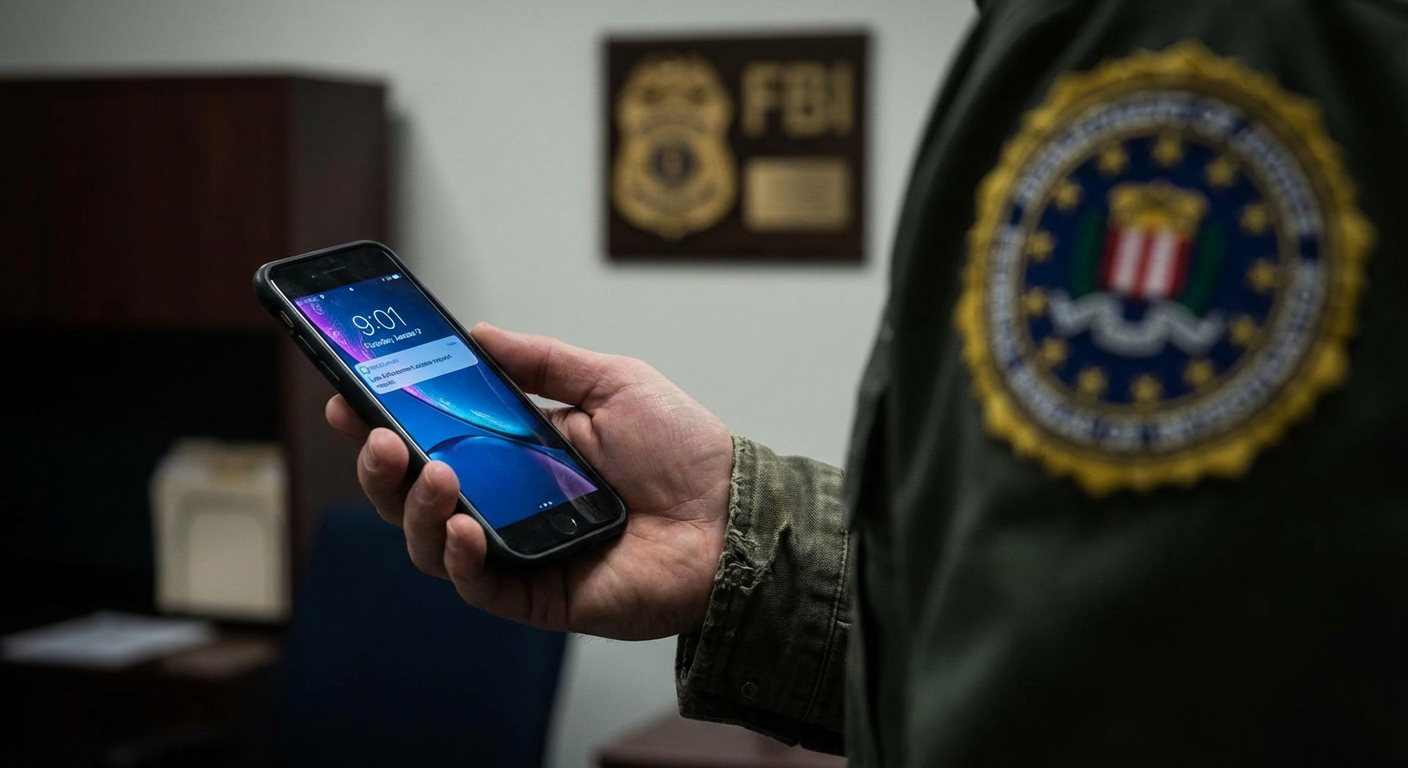
Apple's recent iOS 26.4.2 update has significant implications for the ongoing debate between law enforcement and tech companies over encryption and user privacy. By fixing a flaw that allowed the FBI to access deleted push notifications, Apple is reaffirming its commitment to protecting user data, a stance that has been a hallmark of the company's philosophy since the introduction of end-to-end encryption in iMessage in 2014.
Historical Context: The Encryption Wars
The tension between Apple and law enforcement agencies like the FBI has been building for years. In 2016, the FBI demanded that Apple create a backdoor to unlock the iPhone of the San Bernardino shooter, a request that Apple refused, citing concerns over user privacy and security. Since then, the company has consistently pushed back against government requests for access to user data, including requiring a court order to share notification data since 2023. This latest update is a continuation of that trend, and a clear indication that Apple is unwilling to compromise on its commitment to encryption.
Competitive Implications: A New Front in the Encryption Wars
The implications of this update go beyond just Apple and the FBI. Other tech companies, such as Google and Facebook, will be watching closely to see how this plays out. If Apple is successful in thwarting law enforcement's attempts to access user data, it could embolden other companies to take a similar stance. This could lead to a new front in the encryption wars, with tech companies on one side and law enforcement agencies on the other. Google, in particular, has been under pressure from law enforcement to provide more access to user data, and may see Apple's move as a template for its own strategy.
Technical Deep Dive: The Notification Database Flaw
So, what exactly was the flaw that Apple fixed in this update? According to security experts, the issue was related to the way that iOS stores and manages push notifications. When a user deletes a notification, the data is not immediately removed from the device. Instead, it is stored in a database, where it can be accessed by law enforcement with the right tools. The flaw allowed the FBI to access this database, even if the user had deleted the notification. Apple's update fixes this flaw by changing the way that notifications are stored and managed, making it much harder for law enforcement to access deleted data.
Second-Order Effects: A Shift in the Balance of Power
The update has significant second-order effects, particularly in the balance of power between tech companies and law enforcement agencies. By fixing this flaw, Apple is sending a clear message that it will not compromise on user privacy, even in the face of pressure from law enforcement. This could embolden other tech companies to take a similar stance, leading to a shift in the balance of power in favor of the tech industry. Law enforcement agencies, on the other hand, may be forced to rethink their strategy for accessing user data, potentially leading to a more nuanced and cooperative approach.
Forward-Looking Predictions: A New Era of Encryption
So, what does the future hold for encryption and user privacy? Based on this update, it's clear that Apple is committed to protecting user data, and will continue to push back against law enforcement requests for access. We predict that other tech companies will follow suit, leading to a new era of encryption and user privacy. Law enforcement agencies, on the other hand, will be forced to adapt, potentially leading to a more cooperative approach to accessing user data. One potential outcome is the development of new, more secure methods for accessing user data, such as secure multi-party computation or homomorphic encryption. Whatever the outcome, it's clear that the encryption wars are far from over, and that Apple's latest update is just the beginning of a new chapter in this ongoing debate.