
Cohere Open-Sources Coding Agent on Single H100
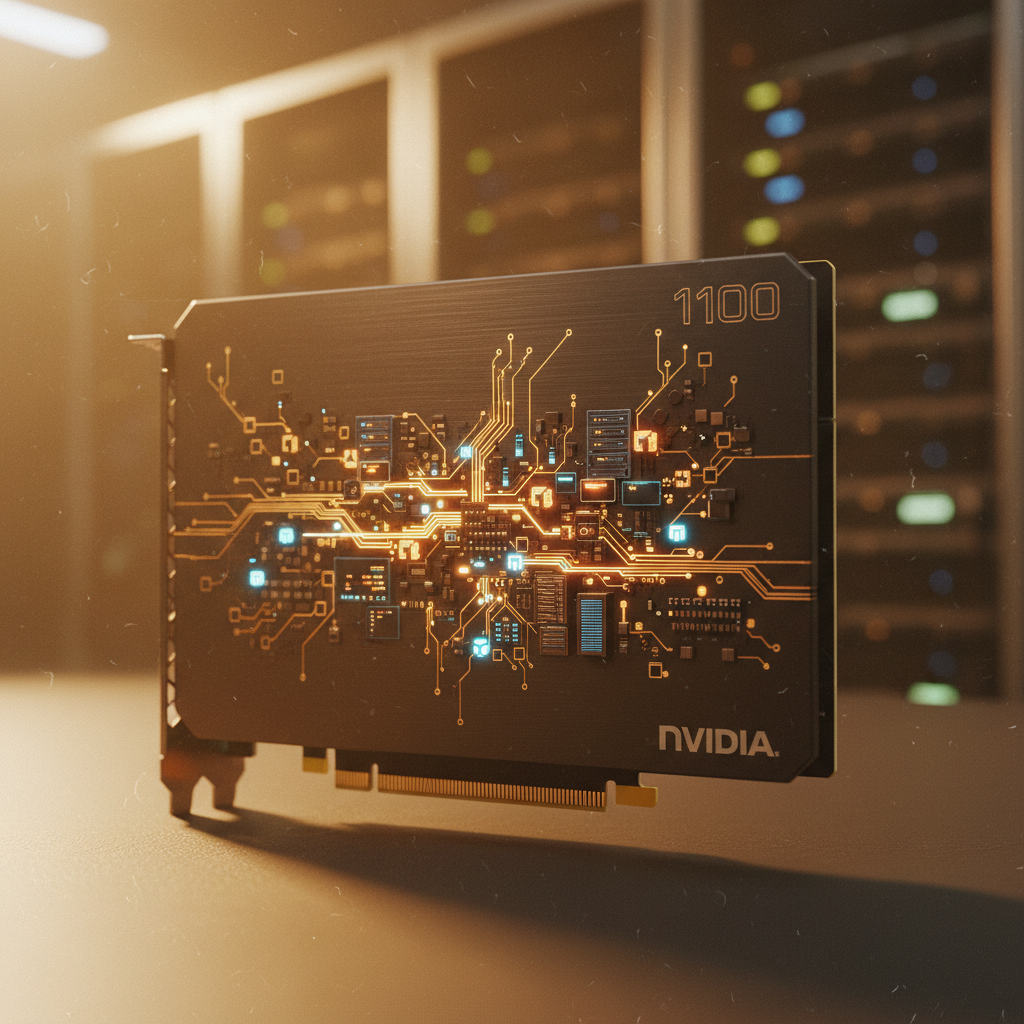
Illustration, not documentary evidence of the event.
Cohere's decision to open-source its North Mini Code model, a 30 billion parameter mixture-of-experts (MoE) model, marks a significant shift in the agentic coding pipeline landscape. By running on a single H100, this model provides a viable alternative to managed models like Claude Fable 5, giving engineering teams more control over their coding processes. However, the model's verbosity, generating three times the output tokens of comparable models, may become a significant challenge in high-volume production workloads. Claude Fable 5 offers additional context on this topic.
Technical Deep Dive
Cohere's North Mini Code model is built on a mixture-of-experts (MoE) architecture, which allows it to efficiently handle complex coding tasks. The model's 30 billion parameters are divided into 3 billion parameters per expert, enabling it to process multiple coding tasks simultaneously. The MoE architecture also enables the model to adapt to different coding styles and preferences, making it a versatile tool for agentic coding pipelines. However, the model's verbosity, resulting from its high output token generation, may lead to increased computational costs and slower processing times in production environments. Our Mixture-of-Experts analysis explores this further.
The H100, a powerful GPU designed for AI workloads, provides the necessary computational resources to run the North Mini Code model. The H100's high memory bandwidth and processing power enable the model to handle large coding tasks efficiently. However, the single H100 setup may become a bottleneck in high-volume production workloads, where multiple models need to be run concurrently. To mitigate this, engineering teams may need to implement model parallelism or data parallelism techniques to distribute the workload across multiple H100s.
Industry Impact
The open-sourcing of Cohere's North Mini Code model has significant implications for the agentic coding pipeline industry. By providing a concrete alternative to managed models like Claude Fable 5, Cohere is giving engineering teams more control over their coding processes. This move may also disrupt the market for managed models, as companies may opt for open-source solutions to reduce costs and increase flexibility. However, the model's verbosity may become a challenge for companies with high-volume production workloads, leading to increased computational costs and slower processing times. Claude Fable 5 offers additional context on this topic.
The North Mini Code model's MoE architecture also has implications for the development of future agentic coding pipeline models. The success of this architecture may lead to increased adoption of MoE models in the industry, as they offer a versatile and efficient solution for complex coding tasks. However, the tradeoff between model complexity and verbosity will need to be carefully considered in future model developments.
Competitive Landscape
The open-sourcing of Cohere's North Mini Code model changes the competitive landscape of the agentic coding pipeline industry. Companies like Claude, which offer managed models like Fable 5, may need to reassess their pricing and service offerings to remain competitive. The North Mini Code model's open-source nature and ability to run on a single H100 make it an attractive alternative for companies looking to reduce costs and increase control over their coding processes.
Other companies, like GitHub, which offer coding assistance tools like Copilot, may also be impacted by the North Mini Code model's open-sourcing. The model's MoE architecture and ability to adapt to different coding styles and preferences make it a versatile tool for coding assistance. However, the model's verbosity may become a challenge for companies with high-volume production workloads, leading to increased computational costs and slower processing times.
Frequently Asked Questions
How does the North Mini Code model compare to other agentic coding pipeline models?
The North Mini Code model's MoE architecture and ability to run on a single H100 make it a unique offering in the agentic coding pipeline industry. While other models, like Claude's Fable 5, offer similar functionality, they may require multiple GPUs or specialized hardware to run. The North Mini Code model's open-source nature and verbosity also set it apart from other models, which may be proprietary or have limited customization options.
What are the implications of the North Mini Code model's verbosity for production workloads?
The North Mini Code model's verbosity, resulting from its high output token generation, may lead to increased computational costs and slower processing times in production environments. To mitigate this, engineering teams may need to implement model parallelism or data parallelism techniques to distribute the workload across multiple H100s. Additionally, companies may need to reassess their production workflows to optimize for the model's verbosity, potentially leading to increased costs and complexity.
How will the open-sourcing of the North Mini Code model impact the market for managed models?
The open-sourcing of the North Mini Code model may disrupt the market for managed models, as companies may opt for open-source solutions to reduce costs and increase flexibility. Managed model providers, like Claude, may need to reassess their pricing and service offerings to remain competitive. However, the North Mini Code model's verbosity and potential challenges in high-volume production workloads may limit its adoption, allowing managed model providers to maintain their market share.
What are the potential applications of the North Mini Code model beyond agentic coding pipelines?
The North Mini Code model's MoE architecture and ability to adapt to different coding styles and preferences make it a versatile tool for a range of applications beyond agentic coding pipelines. Potential applications include coding assistance tools, like GitHub's Copilot, or even natural language processing tasks, like text generation or summarization. However, the model's verbosity and potential challenges in high-volume production workloads will need to be carefully considered in these applications.
In conclusion, the open-sourcing of Cohere's North Mini Code model marks a significant shift in the agentic coding pipeline landscape. While the model's verbosity may become a challenge in high-volume production workloads, its MoE architecture and ability to run on a single H100 make it a versatile and efficient solution for complex coding tasks. As the industry continues to evolve, we can expect to see increased adoption of MoE models and open-source solutions, leading to greater control and flexibility for engineering teams.