

Crypto Scams Expose Maritime Security Risks
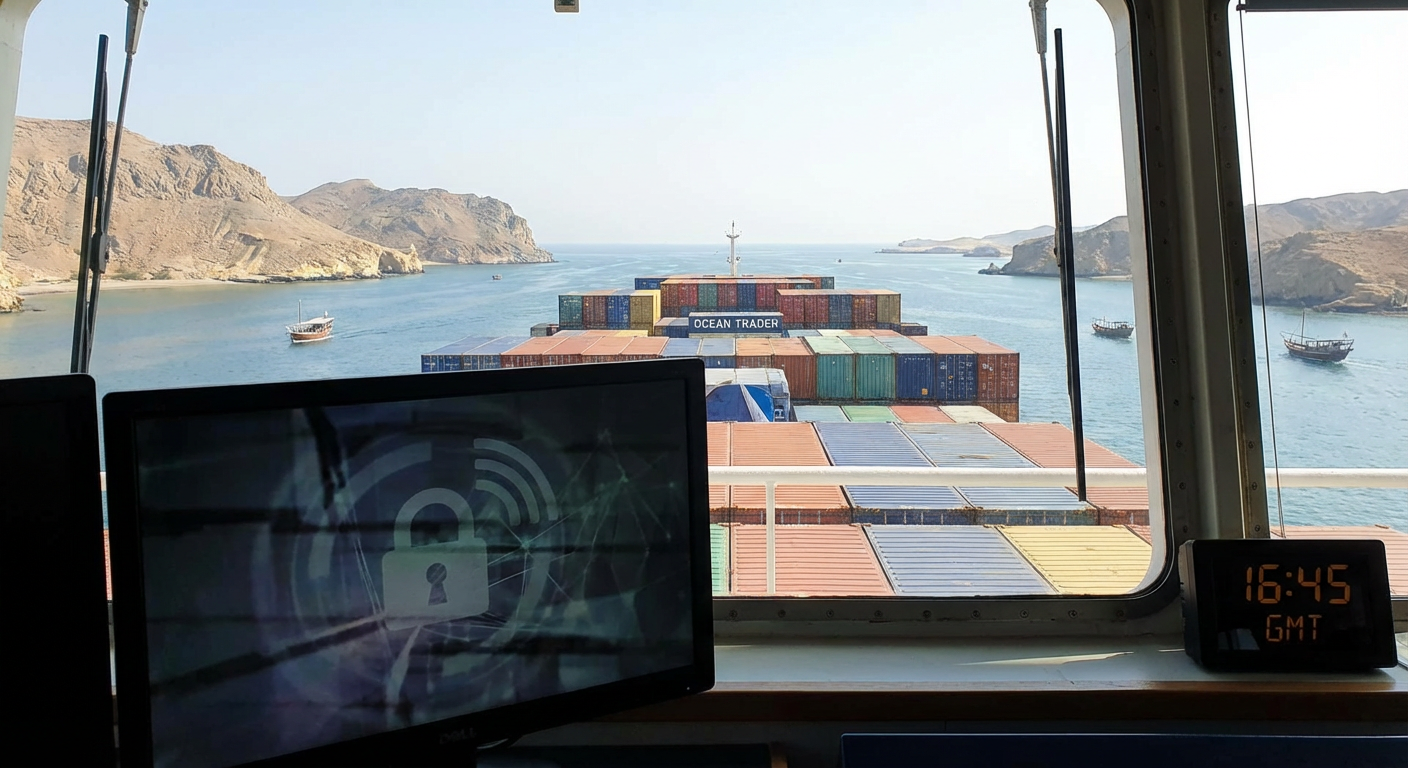
The intersection of cryptocurrency and maritime security has just become a lot more treacherous. The recent incident where a ship was attacked by Iran after possibly falling for a crypto scam promising safe passage through the Strait of Hormuz is a stark reminder of the evolving threats in the shipping industry. This event is not an isolated incident, but rather a symptom of a larger problem that has been brewing over the past few years.
Historical Context: A Perfect Storm of Vulnerabilities
The shipping industry has been slow to adopt robust cybersecurity measures, and the increasing reliance on digital systems has created a perfect storm of vulnerabilities. In 2020, the International Maritime Organization (IMO) implemented new regulations aimed at enhancing cybersecurity in the maritime sector. However, the implementation of these regulations has been patchy at best. The lack of standardization and the absence of a unified regulatory framework have left many ships and shipping companies exposed to cyber threats.
In 2022, a series of high-profile cyberattacks on shipping companies and ports highlighted the severity of the problem. The attacks, which were largely attributed to state-sponsored actors, resulted in significant disruptions to global supply chains. The incident in the Strait of Hormuz is a stark reminder that the threats are not just limited to cyberattacks, but also include crypto scams and other forms of social engineering.
Competitive Analysis: The Rise of Secure Navigation Services
The incident in the Strait of Hormuz has significant implications for the competitive landscape of the shipping industry. Shipping companies that invest in robust cybersecurity measures and secure navigation services will be better positioned to mitigate these risks. Companies like Navis and CyberKeel are already offering specialized cybersecurity services tailored to the maritime industry. These companies are likely to see an increase in demand for their services as shipping companies scramble to enhance their security postures.
However, the rise of secure navigation services also raises important questions about the role of government agencies and international organizations in regulating and standardizing cybersecurity practices in the maritime sector. The US Coast Guard and the European Union's Agency for Network and Information Security (ENISA) have already issued guidelines and recommendations for maritime cybersecurity. However, more needs to be done to ensure that these guidelines are implemented uniformly across the industry.
Second-Order Effects: The Future of Maritime Cybersecurity
The incident in the Strait of Hormuz will have significant second-order effects on the maritime industry. In the short term, we can expect to see an increase in insurance premiums for ships transiting the Strait of Hormuz. This will have a ripple effect on global supply chains, leading to increased costs and delays for companies that rely on maritime trade.
In the long term, the incident will accelerate the adoption of secure navigation services and cybersecurity measures in the maritime industry. We can expect to see significant investments in artificial intelligence and machine learning based solutions that can detect and prevent cyber threats in real-time. The use of blockchain technology to secure navigation data and prevent tampering will also become more prevalent.
Technical Deep Dive: The Role of AI in Maritime Cybersecurity
The use of AI and machine learning in maritime cybersecurity is still in its infancy. However, the technology has the potential to revolutionize the way we approach cybersecurity in the maritime sector. AI-powered systems can analyze vast amounts of data in real-time, detecting anomalies and potential threats before they become incidents.
One of the key challenges in implementing AI-based solutions in the maritime industry is the lack of standardization in data formats and protocols. The International Organization for Standardization (ISO) and the International Electrotechnical Commission (IEC) are working on developing standards for maritime cybersecurity. However, more needs to be done to ensure that these standards are adopted uniformly across the industry.
Contrarian Take: The Limits of Technology in Maritime Cybersecurity
While technology has the potential to play a significant role in enhancing maritime cybersecurity, it is not a silver bullet. The incident in the Strait of Hormuz highlights the importance of human factors in cybersecurity. The crew of the ship that was attacked by Iran reportedly fell for a crypto scam, highlighting the need for better training and awareness programs.
The maritime industry needs to recognize that cybersecurity is not just a technical problem, but also a human problem. The industry needs to invest in programs that enhance the cybersecurity awareness and skills of crew members, as well as develop policies and procedures that prioritize cybersecurity.
Forward-Looking Predictions
In the next 12-18 months, we can expect to see significant developments in maritime cybersecurity. The IMO will likely issue new guidelines and regulations aimed at enhancing cybersecurity in the maritime sector. The use of AI and machine learning based solutions will become more prevalent, and we can expect to see significant investments in blockchain technology to secure navigation data.
However, the biggest challenge for the maritime industry will be to balance the need for enhanced cybersecurity with the need for efficiency and cost savings. The industry will need to invest in cybersecurity measures that are effective, yet do not compromise the efficiency of maritime operations. This will require a nuanced approach that takes into account the unique challenges and risks of the maritime sector.
In conclusion, the incident in the Strait of Hormuz is a wake-up call for the maritime industry. The industry needs to recognize the evolving threats to maritime cybersecurity and take proactive steps to enhance its security posture. This will require significant investments in technology, training, and awareness programs, as well as a nuanced approach that balances the need for security with the need for efficiency.