

GopherWhisper Exposed: Unpacking the China-Linked Threat
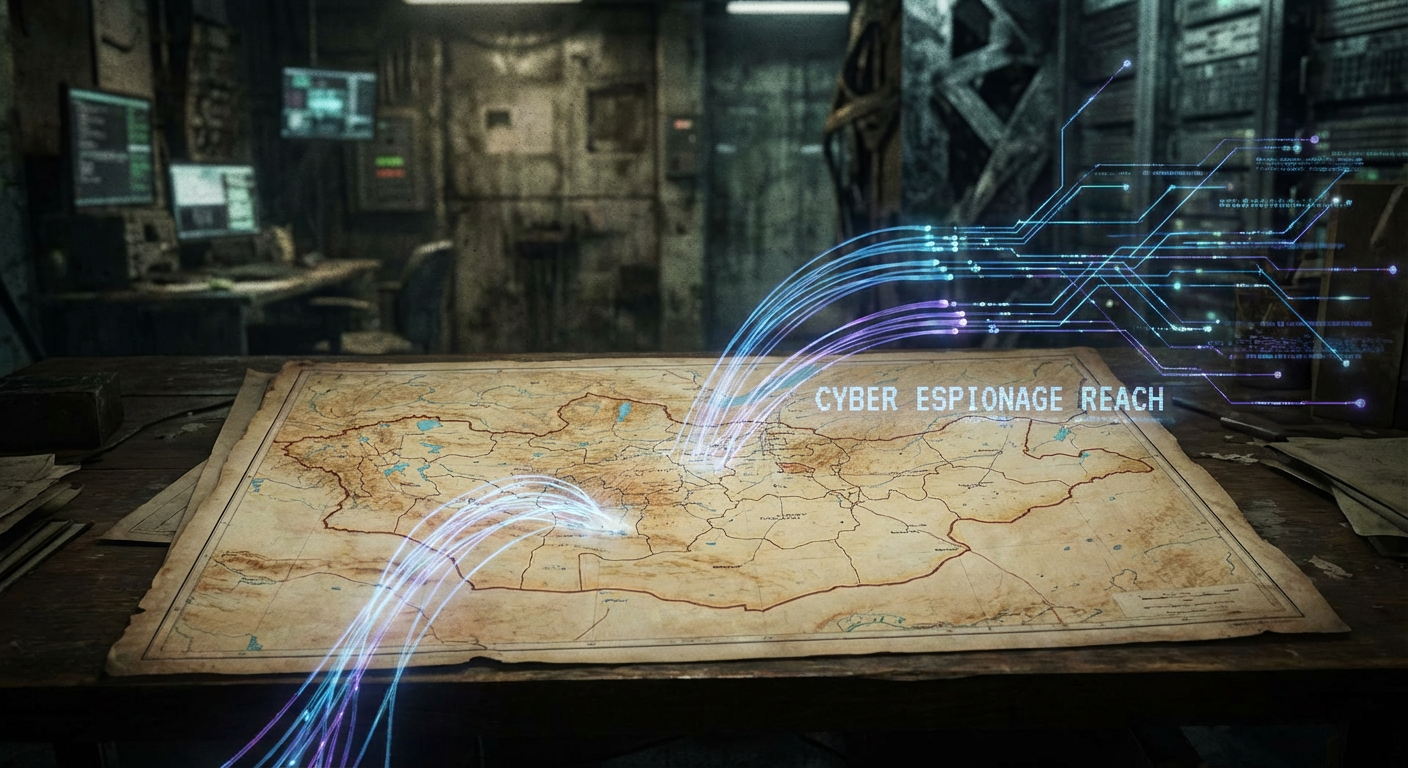
The recent revelation of GopherWhisper, a China-aligned advanced persistent threat (APT) group, infecting 12 Mongolian government systems with Go backdoors, marks a significant turning point in the landscape of cyber espionage. This emergence not only underscores the evolving nature of threats but also highlights the strategic importance of Mongolia in geopolitical cyber conflicts.
Historical Context: The Rise of China-Linked APT Groups
Over the past five years, China-linked APT groups have been increasingly active, with notable examples including APT10 and APT41. These groups have been involved in high-profile breaches, often targeting technology and intellectual property. The discovery of GopherWhisper, with its arsenal of Go-written tools, indicates a further diversification of tactics and tools within the China-linked APT ecosystem. This shift towards using programming languages like Go for malware development suggests an effort to evade detection and adapt to the changing cybersecurity landscape.
Competitive Analysis: The Impact on Global Cybersecurity
The use of Go backdoors by GopherWhisper presents a challenge for cybersecurity firms and governments worldwide. Traditional detection methods may struggle with the unique signatures of Go-written malware, giving GopherWhisper an initial advantage. This forces competitors in the cybersecurity space to rapidly adapt and develop new detection and mitigation strategies. Companies like ESET, which first identified GopherWhisper, will be at the forefront of this race, developing and refining tools to counter this new threat. The race between APT groups and cybersecurity firms has entered a new phase, with the former pushing the boundaries of malware development and the latter responding with innovative detection techniques.
Technical Deep Dive: Understanding Go Backdoors
Go, or Golang, has been gaining popularity among developers for its simplicity, performance, and concurrency features. For malware authors, Go offers the ability to write cross-platform code easily, making it an attractive choice for developing backdoors. The Go backdoors used by GopherWhisper are designed to be stealthy and resilient, capable of surviving system reboots and maintaining a persistent connection with command and control servers. This resilience, combined with the relatively low detection rate of Go malware, makes these backdoors particularly dangerous. A technical analysis of the Go backdoors reveals sophisticated use of Go's goroutine scheduling and channel communication to hide malicious activity, underscoring the need for cybersecurity solutions that can effectively detect and mitigate such advanced threats.
Second-Order Effects: The Broader Geopolitical Implications
The targeting of Mongolian government systems by GopherWhisper signals a broader geopolitical play, with Mongolia's strategic location between China and Russia making it a crucial point of interest. This incident may precipitate a stronger cybersecurity alliance between Mongolia and other nations wary of Chinese cyber aggression, potentially leading to increased cooperation and information sharing. Furthermore, the use of advanced cyber espionage tools by China-linked groups will likely escalate tensions in the cyber domain, prompting a review of current cyber defense strategies by nations worldwide. As the cyber espionage landscape continues to evolve, the emergence of GopherWhisper serves as a stark reminder of the need for continuous vigilance and adaptation in cybersecurity.
Forward-Looking Predictions: The Future of Cyber Espionage
In the coming year, we can expect to see a significant increase in the development and deployment of malware written in languages like Go, as well as a rise in the sophistication of evasion techniques used by APT groups. Cybersecurity firms will need to invest heavily in research and development to stay ahead of these threats, potentially leading to breakthroughs in AI-powered detection systems and more effective collaboration between public and private sector entities. Moreover, the international community will face increasing pressure to establish clearer norms and consequences for state-sponsored cyber espionage, which could lead to a new era of diplomatic efforts focused on cyber peace and stability. As GopherWhisper and similar APT groups continue to push the boundaries of cyber espionage, the global community must respond with a concerted effort to enhance cybersecurity, deter aggression, and build towards a more secure digital future.