

Microsoft Teams Exploited by UNC6692: A New Era of Social Engineering
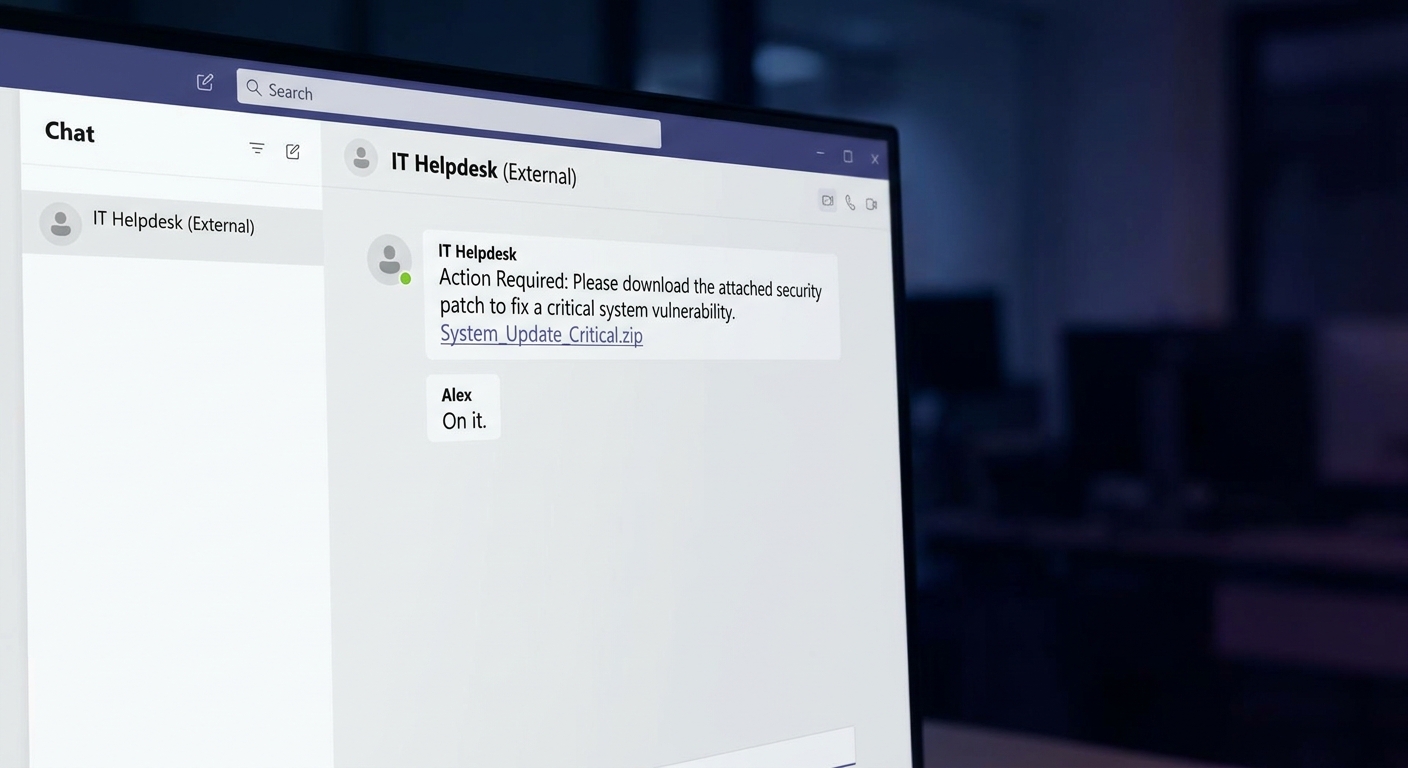
The UNC6692 attack, which leveraged Microsoft Teams to deploy SNOW malware, marks a significant turning point in the evolution of social engineering tactics. By impersonating IT helpdesk employees, the threat actors were able to convince victims to accept a Microsoft Teams chat invitation, ultimately gaining access to their systems. This attack vector is particularly concerning, as it exploits the very platforms designed to facilitate remote collaboration and communication.
Historical Context: The Rise of Collaboration Platform Attacks
Over the past two years, we have seen a significant increase in attacks targeting collaboration platforms. In 2023, a series of phishing campaigns targeted Slack and Google Workspace users, resulting in the compromise of numerous high-profile accounts. Similarly, in 2024, a vulnerability in Zoom's video conferencing platform was exploited to gain access to sensitive meeting recordings. The UNC6692 attack is merely the latest example of this trend, highlighting the need for enterprises to reevaluate their security posture in the face of increasingly sophisticated social engineering tactics.
Competitive Analysis: The Impact on Microsoft Teams and Rivals
The UNC6692 attack is likely to have significant implications for Microsoft Teams, as well as its competitors in the collaboration platform space. As the attack was made possible by a combination of social engineering and exploit of Microsoft Teams' chat functionality, the platform's reputation may suffer as a result. This could potentially benefit rivals such as Slack and Google Workspace, which may be perceived as more secure alternatives. However, it is essential to note that all collaboration platforms are vulnerable to social engineering attacks, and the onus is on enterprises to implement robust security measures to mitigate these risks.
Second-Order Effects: The Rise of Zero-Trust Architecture
The UNC6692 attack is likely to accelerate the adoption of zero-trust architecture in enterprise environments. As social engineering tactics continue to evolve, traditional perimeter-based security models are becoming increasingly ineffective. Zero-trust architecture, which assumes that all users and devices are potentially malicious, is better equipped to handle the complexities of modern threat landscapes. We can expect to see a significant increase in investment in zero-trust solutions over the coming year, as enterprises seek to bolster their defenses against sophisticated social engineering attacks.
Technical Deep Dive: The Mechanics of SNOW Malware
SNOW malware, the custom malware suite deployed by UNC6692, is a highly sophisticated piece of software designed to evade detection by traditional security solutions. Utilizing a combination of anti-debugging techniques and code obfuscation, SNOW malware is able to persist on compromised hosts for extended periods, allowing the threat actors to exfiltrate sensitive data and conduct further malicious activities. The malware's use of Microsoft Teams' chat functionality to establish a command and control channel is particularly noteworthy, highlighting the need for enterprises to monitor collaboration platforms for suspicious activity.
Builder Perspective: Securing Collaboration Platforms in the Era of Social Engineering
So, what can enterprises do to secure their collaboration platforms against social engineering attacks like UNC6692? Firstly, it is essential to implement robust authentication and authorization mechanisms, such as multi-factor authentication and least privilege access. Secondly, enterprises should invest in advanced threat detection solutions, capable of identifying and mitigating suspicious activity on collaboration platforms. Finally, employee education and awareness programs are critical in preventing social engineering attacks, as they often rely on human error to gain initial access to systems.
Forward-Looking Predictions: The Future of Collaboration Platform Security
In the coming year, we can expect to see a significant increase in attacks targeting collaboration platforms. As social engineering tactics continue to evolve, enterprises will be forced to adapt their security postures to mitigate these risks. We predict that zero-trust architecture will become the norm in enterprise environments, with a particular focus on securing collaboration platforms. Furthermore, we anticipate the development of new security solutions, specifically designed to detect and mitigate social engineering attacks on collaboration platforms. The UNC6692 attack is merely the beginning of a new era in cybersecurity, one in which collaboration platforms will be at the forefront of the battle against social engineering threats.