

Pentagon's AI Playbook
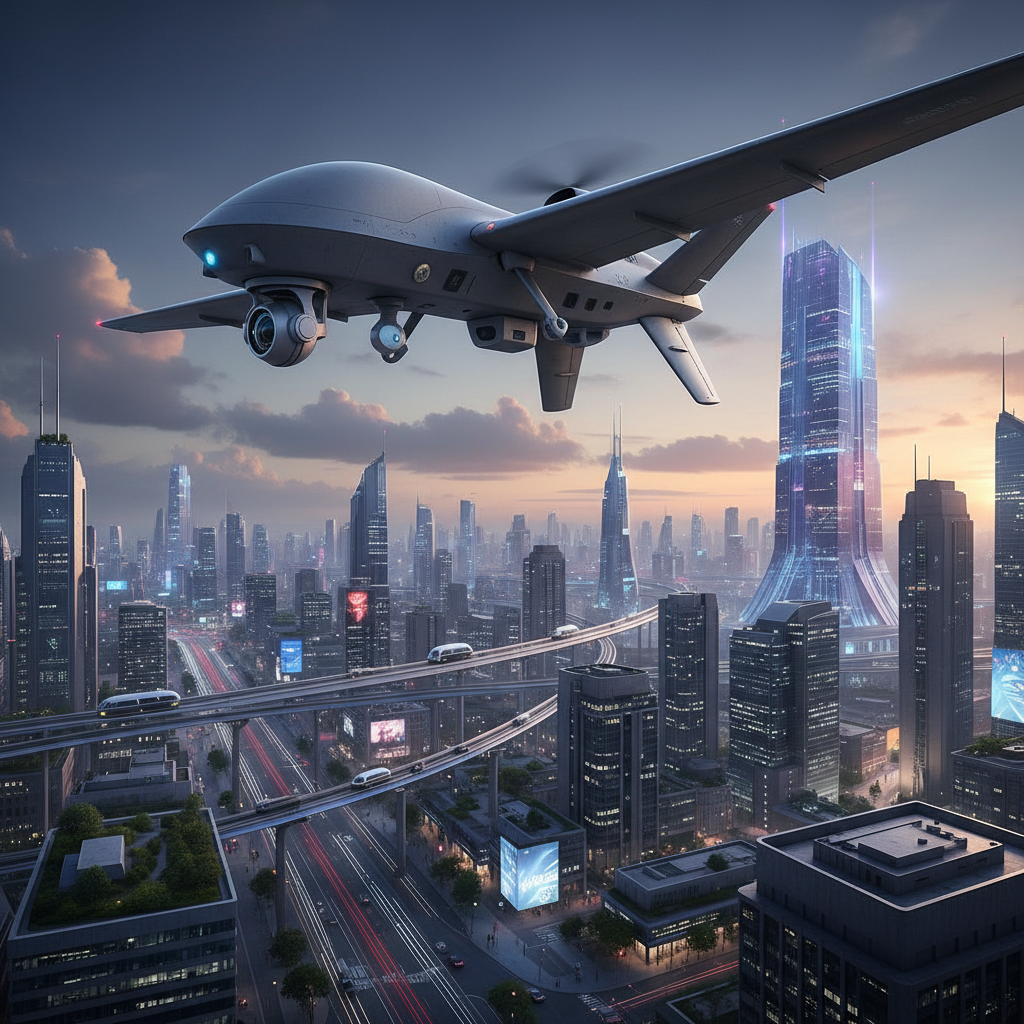
Google's decision to expand the Pentagon's access to its AI capabilities marks a significant turning point in the ongoing debate about the role of artificial intelligence in national defense. This move comes on the heels of Anthropic's refusal to allow the Department of Defense (DoD) to use its AI for domestic mass surveillance and autonomous weapons, citing ethical concerns. The implications of Google's actions are far-reaching, with potential consequences for the tech industry, national security, and the future of AI development.
Historical Context: The Evolution of AI in Defense
The use of AI in defense is not a new phenomenon. In 2018, the DoD launched its Joint Artificial Intelligence Center (JAIC), with the goal of accelerating the adoption of AI across the military. Since then, tech giants like Google, Amazon, and Microsoft have been actively courting the Pentagon, seeking to capitalize on the lucrative defense contracts on offer. However, the issue of AI ethics has become increasingly contentious, with many experts warning about the dangers of unchecked AI development in the military context. Google's decision to expand its partnership with the Pentagon raises questions about the company's commitment to responsible AI development and its willingness to prioritize profits over ethics. Our video analysis AI analysis explores this further.
Competitive Analysis: The AI Arms Race
Google's move is likely to have significant implications for the competitive landscape of military tech. By expanding its partnership with the Pentagon, Google is positioning itself as a leading player in the defense AI market, potentially at the expense of rivals like Amazon and Microsoft. Anthropic's refusal to work with the DoD on certain projects has created an opportunity for Google to fill the gap, but it also raises questions about the company's long-term strategy. Will Google's willingness to work with the Pentagon on sensitive projects ultimately damage its reputation and relationships with other customers, or will it emerge as a dominant force in the defense AI market? The answer will depend on how Google navigates the complex ethical landscape of military AI and balances its commercial interests with its commitment to responsible AI development. Our AI safety analysis explores this further.
Second-Order Effects: The Future of AI Regulation
The consequences of Google's decision will be far-reaching, with potential implications for the future of AI regulation. As the use of AI in defense becomes more widespread, there will be growing pressure on governments to establish clear guidelines and regulations for the development and deployment of military AI. The European Union's recent proposal for an AI regulatory framework is a step in this direction, but the issue is complex and will require international cooperation to address. Google's decision to expand its partnership with the Pentagon may ultimately accelerate the development of AI regulations, as lawmakers and regulators seek to mitigate the risks associated with military AI. However, it is also possible that the lack of clear regulations will create a Wild West environment, where tech companies are free to develop and deploy AI systems without adequate oversight or accountability. Our AI compute analysis explores this further. For related analysis, see Alibaba's Qwen3.7-Max Redefines Autonomous AI Agents. For related analysis, see Google Dreambeans: AI-Powered Cartoonification Raises Questions. For related analysis, see Google's Faithful Uncertainty: A New Era for LLMs.
Technical Deep Dive: The AI Systems Involved
The AI systems involved in Google's partnership with the Pentagon are likely to be highly advanced, leveraging cutting-edge technologies like natural language processing, computer vision, and predictive analytics. Google's AI capabilities, including its TensorFlow platform and AlphaGo algorithm, will be used to support a range of military applications, from intelligence analysis to autonomous systems. However, the technical details of the partnership are not publicly available, and it is unclear how Google's AI systems will be integrated with the Pentagon's existing infrastructure. One thing is certain, however: the use of AI in defense will require significant advances in areas like explainability, transparency, and accountability, as well as the development of new technologies and techniques for mitigating the risks associated with military AI. Our AI video generation analysis explores this further.
Forward-Looking Predictions: The Future of AI in Defense
So what does the future hold for AI in defense? In the short term, Google's decision to expand its partnership with the Pentagon will likely accelerate the development of military AI, driving innovation and investment in the sector. However, the long-term consequences of this decision are less clear. As the use of AI in defense becomes more widespread, there will be growing pressure on governments to establish clear regulations and guidelines for the development and deployment of military AI. Ultimately, the future of AI in defense will depend on the ability of tech companies, governments, and regulators to balance the benefits of AI with the risks and challenges associated with its development and deployment. Our prediction is that the next 5 years will see a significant increase in AI-related defense spending, with Google, Amazon, and Microsoft emerging as leading players in the market. However, this growth will be accompanied by growing concerns about the ethics of AI in defense, and a corresponding increase in regulatory scrutiny and oversight. Our Anthropic analysis explores this further.