

Russia's Co-Orbital ASAT Threat: A New Era of Space Warfare
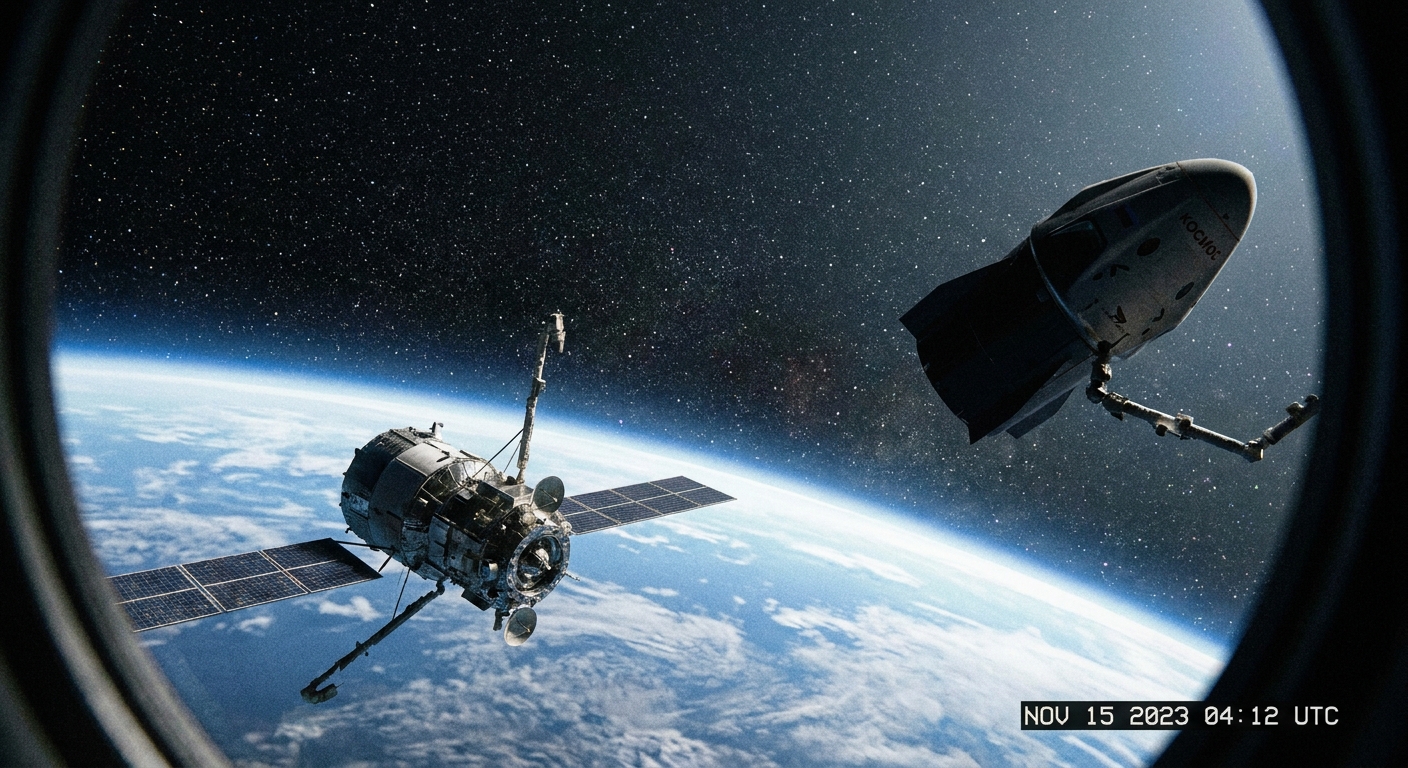
The recent announcement by US Space Command that Russia is now operationalizing co-orbital Anti-Satellite (ASAT) weapons has sent shockwaves throughout the space industry. This development marks a significant escalation in the cat-and-mouse game of space warfare, with major implications for US satellite security and the global space industry. To understand the significance of this move, it's essential to examine the historical context that has led to this point.
Historical Context: A Decade of Escalation
Over the past decade, Russia has been steadily developing its ASAT capabilities, with a series of tests and demonstrations that have raised concerns among US policymakers. One of the key milestones in this development was the 2014 test of the Nudol ASAT system, which marked a significant step forward in Russia's ability to target and destroy satellites in orbit. Since then, Russia has continued to advance its ASAT capabilities, with a series of tests and deployments that have kept US Space Command on high alert.
A key factor in Russia's ASAT development has been the country's perception of US dominance in space. With the US relying heavily on its satellite constellation for military communications, navigation, and surveillance, Russia has sought to develop capabilities that can counter this advantage. The co-orbital ASAT system is the latest manifestation of this effort, allowing Russia to target US satellites in orbit and potentially disrupt critical military and civilian infrastructure.
Competitive Implications: A New Era of Space Warfare
The deployment of co-orbital ASAT weapons by Russia marks a significant escalation in the competitive landscape of space warfare. With the US, China, and other nations also developing ASAT capabilities, the risk of a space war is becoming increasingly real. The implications of this development are far-reaching, with potential consequences for the global space industry, satellite security, and the balance of power in space.
One of the key winners in this new era of space warfare is likely to be the US defense industry, which is expected to receive significant funding for the development of counter-ASAT systems and other space-based defenses. Companies such as Lockheed Martin, Boeing, and Northrop Grumman are likely to benefit from this increased funding, as they develop new technologies and systems to counter the Russian ASAT threat.
Technical Deep Dive: Co-Orbital ASAT Systems
Co-orbital ASAT systems are designed to target and destroy satellites in orbit, using a combination of sensors, propulsion systems, and kinetic kill vehicles. The Russian co-orbital ASAT system is believed to use a combination of optical and radar sensors to detect and track US satellites, before deploying a kinetic kill vehicle to destroy the target. This system is highly sophisticated, requiring advanced propulsion systems, guidance algorithms, and materials to survive the harsh environment of space.
The technical challenges of developing co-orbital ASAT systems are significant, requiring the integration of multiple complex systems and subsystems. However, the potential rewards are substantial, with the ability to disrupt critical US military and civilian infrastructure. As the US and other nations develop counter-ASAT systems, the technical challenges will only increase, driving innovation and advancement in the field of space warfare.
Forward-Looking Predictions: A New Era of Space Security
The deployment of co-orbital ASAT weapons by Russia marks a significant turning point in the history of space warfare. As the US and other nations respond to this development, we can expect a new era of space security to emerge, with major implications for the global space industry. Some potential predictions for this new era include:
- A significant increase in funding for US defense industry companies, as they develop counter-ASAT systems and other space-based defenses.
- A growing focus on space security and resilience, as nations seek to protect their critical satellite infrastructure from ASAT threats.
- The development of new international norms and agreements, aimed at regulating the use of ASAT systems and preventing the escalation of space warfare.
As we look to the future, it's clear that the deployment of co-orbital ASAT weapons by Russia marks a significant escalation in the cat-and-mouse game of space warfare. With the US and other nations poised to respond, the stage is set for a new era of space security, with major implications for the global space industry and the balance of power in space.