

Spotify's Fitness Play: A Strategic Shift
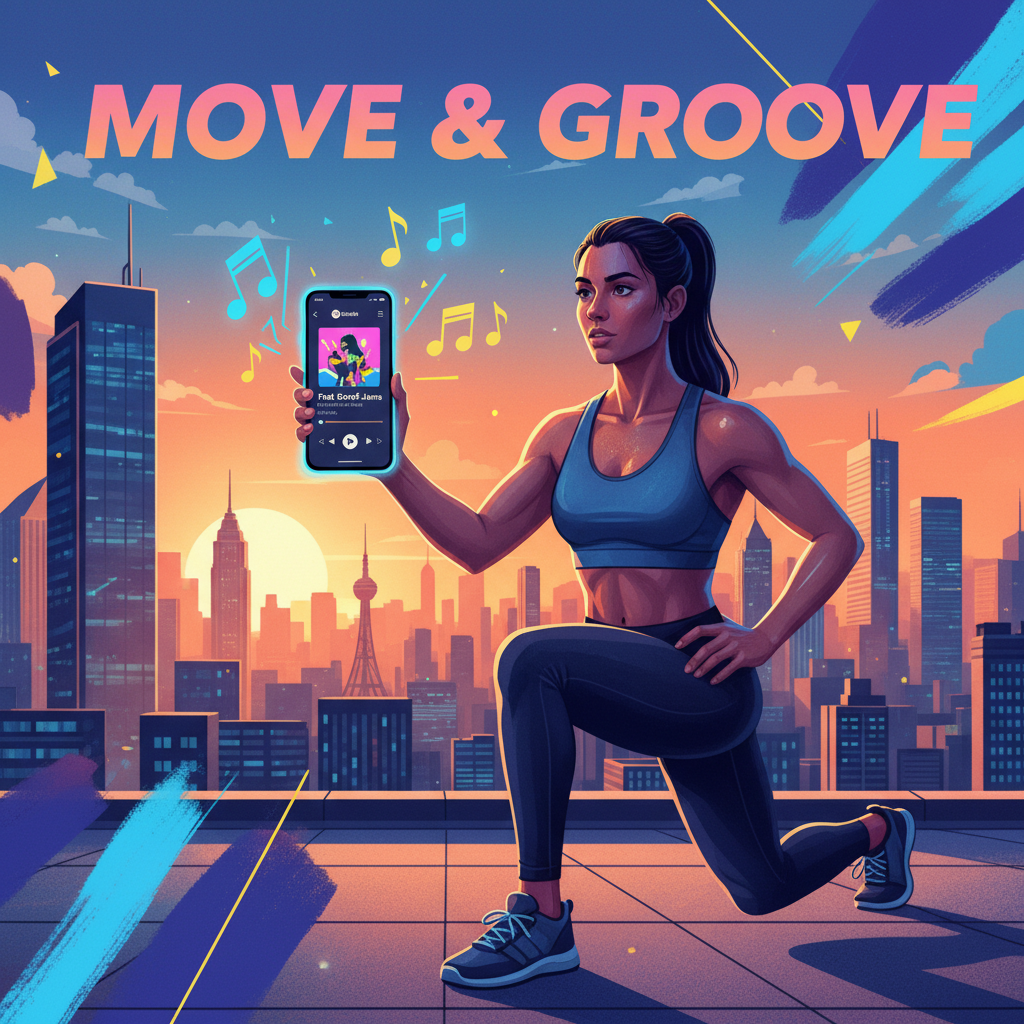
Spotify's decision to add fitness as its next major category, complete with workout videos, playlists, and Peloton classes, marks a significant departure from its music-centric roots. This move is not merely a diversification play, but a deliberate attempt to redefine the company's value proposition and expand its user engagement beyond music streaming. To understand the implications of this shift, it's essential to examine the historical context that led to this decision.
Historical Context: The Evolution of Spotify's Strategy
Over the past five years, Spotify has been steadily expanding its offerings beyond music, with a focus on podcasting and spoken word content. The acquisition of Gimlet Media and Anchor in 2019, followed by the launch of Spotify Originals, signaled the company's intent to become a broader digital media platform. However, the fitness content play represents a more significant departure from its core music business. By integrating workout videos and classes, Spotify is essentially creating a new vertical that complements its existing music offerings, much like Apple's move into original content with Apple TV+.
Competitive Analysis: The Impact on Rivals
The introduction of fitness content on Spotify will undoubtedly put pressure on competitors like Apple Music, which has been investing heavily in its own original content offerings. Apple's fitness-focused service, Apple Fitness+, launched in 2020, has been gaining traction, but Spotify's move will force Apple to reassess its strategy. Meanwhile, Peloton, which has been struggling to expand its user base beyond its high-end bike owners, will need to navigate the implications of its classes being offered on a free and premium basis within the Spotify app. The fitness content play also raises questions about the future of niche fitness platforms like Nike Training Club and JEFIT, which may struggle to compete with the scale and reach of Spotify. Related: music streaming.
Technical Deep Dive: The Role of AI in Fitness Content
Spotify's fitness content play will rely heavily on AI-powered recommendations to personalize workout experiences for users. The company's existing music recommendation engine, which uses natural language processing and collaborative filtering, will need to be adapted to accommodate the nuances of fitness content. This will involve developing new algorithms that can analyze user behavior, fitness goals, and preferences to suggest relevant workout videos, playlists, and classes. As Spotify continues to invest in AI research and development, we can expect to see more sophisticated personalized fitness experiences emerge, potentially incorporating computer vision and machine learning to analyze user form and provide real-time feedback.
Contrarian Take: The Risks of Diversification
While the addition of fitness content may seem like a natural extension of Spotify's brand, it also carries significant risks. By diversifying its offerings, Spotify may dilute its focus on music, potentially alienating its core user base. The company will need to balance its investment in fitness content with its ongoing commitment to music discovery and curation, lest it lose its edge in the streaming wars. Furthermore, the fitness market is highly competitive, with established players like Nike and Under Armour, which may not take kindly to Spotify's encroachment on their territory.
Forward-Looking Predictions
As Spotify's fitness content play unfolds, we can expect to see several key developments. Firstly, the company will likely acquire or partner with additional fitness brands to expand its offerings and deepen its expertise in the space. Secondly, we will see a surge in AI-powered fitness content, as Spotify and its competitors invest in personalized recommendation engines and machine learning algorithms. Finally, the lines between music streaming, fitness, and wellness will continue to blur, as companies like Spotify, Apple, and Amazon push the boundaries of digital media and entertainment. By 2028, we predict that Spotify's fitness content will account for at least 20% of its total user engagement, marking a significant shift in the company's business model and paving the way for a new era of digital wellness innovation. Related: music streaming.